

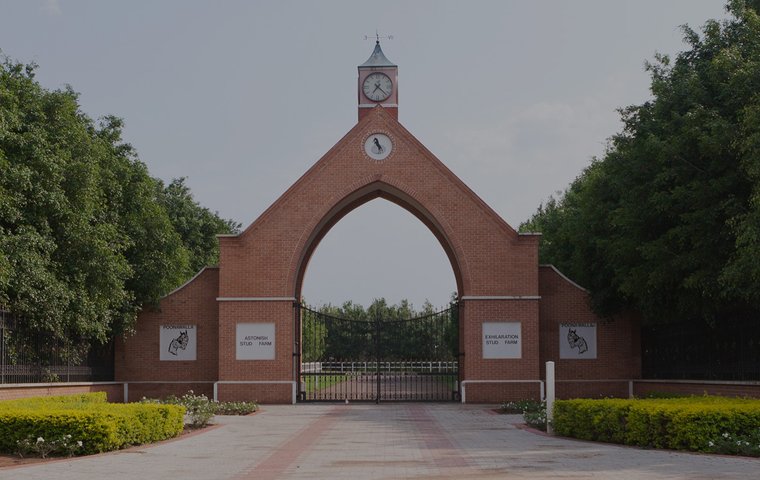
Nancy Sexton discovers, having spoken to breeders, that India lacks neither suitable stallions nor copious enthusiasm.
If it was down solely to ambition and passion, the Indian racing industry would be one of immense vibrance.
As it is, those invested in producing and racing horses do it despite facing various uphill battles stemming from a range of issues including heavy taxation on betting and minimal government support.
The foal crop has dropped to around 850 and several racecourses are under threat, but such headwinds have failed to dent the enthusiasm of India’s bloodstock community.
“The foal crop has dropped to around 850 and several racecourses are under threat, but such headwinds have failed to dent the enthusiasm of India’s bloodstock community.”
That much is evident by the number of quality recent imports.
Territories, a Group 1 winner and proven Group 1 sire, is likely to prove an excellent addition to Poonawalla Stud Farm, whose roster also contains the British Group 2-winning milers Mutaasabeq, a beautifully bred son of Invincible Spirit, and Chindit, a son of Iffraaj.
The sadness, of course, is that they should’ve been joined this season by the Irish Champion Stakes winner Economics. A major signing for the farm, he unfortunately succumbed to colic in February before he had covered a mare.
According to the Indian stud book, there are currently 78 stallions in service spread over approximately 30 farms.
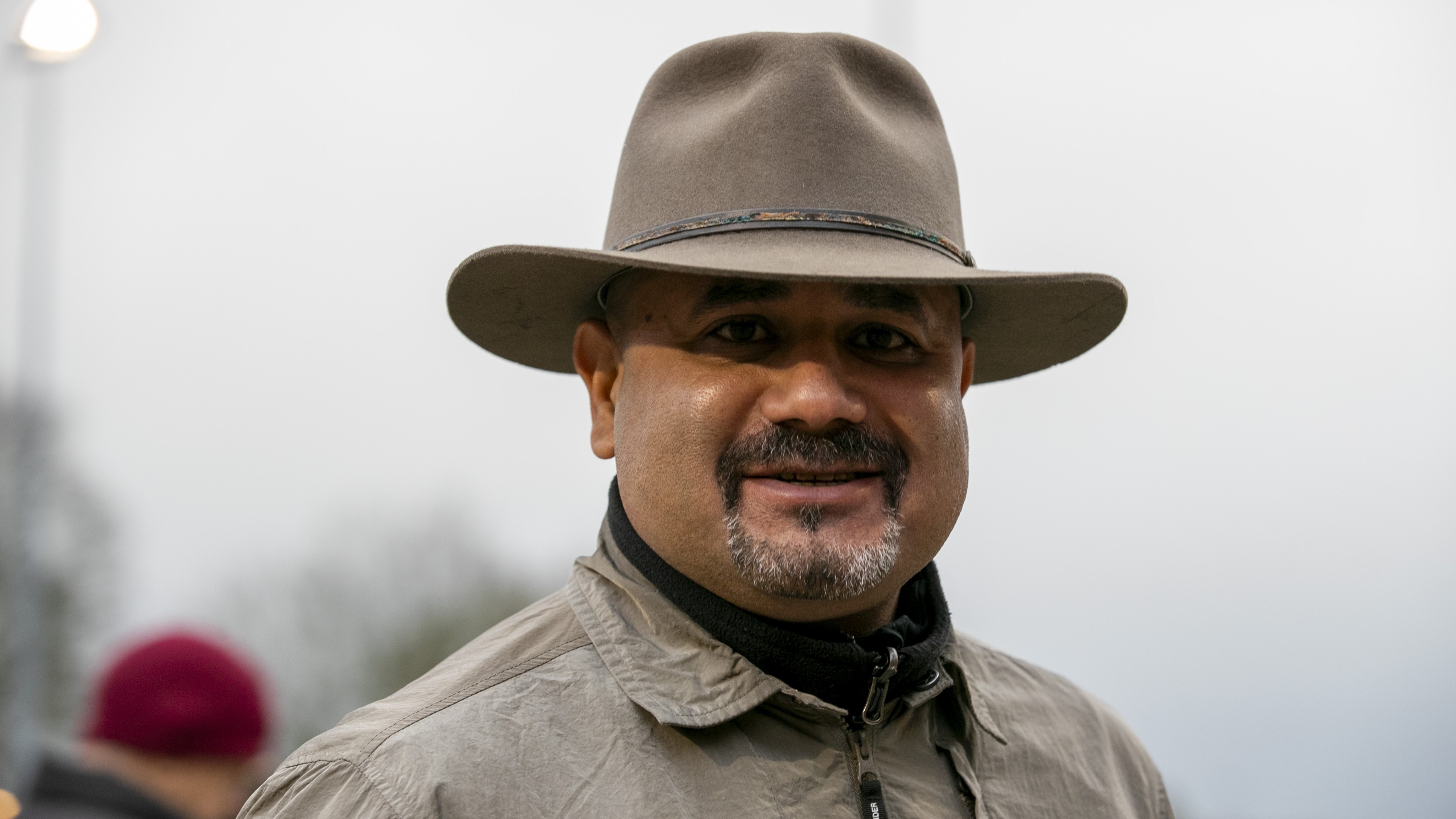
Poonawalla reigns as a dominant operator, its success aided over the years by the influence of its former leading sires Placerville and Alnasr Alwasheek, both of whom were imported out of Britain.
Other farms of note include Nanoli Stud, home to both Japanese Group 1 winner Killer Ability and Cougar Mountain, a Newmarket Group 2 winner who’s now an emerging sire.
Manjri Farm, which stands Breeders’ Cup Mile winner Order Of Australia, is another notable operation, as are Usha Stud, whose roster includes Belmont Derby hero Deauville and French Group 2 winner Plumatic, and Star Born Stud, which houses the Group 1 sire Tasleet.
That collection, though, is just a snapshot of the level of recent investment made by Indian breeders.
One agent well attuned to both sides of the fence is Gaurav Rampal, Indian representative for Tattersalls, who oversaw the deals to acquire Mutasaabeq, Killer Ability and Plumatic among others.
“One agent well attuned to both sides of the fence is Gaurav Rampal, Indian representative for Tattersalls, who oversaw the deals to acquire Mutasaabeq, Killer Ability and Plumatic among others.”
“It’s an uphill battle,” he concedes. “The foal crop is down by almost 50 per cent from its peak and the status of the some of the racecourses isn’t healthy. Betting is considered taboo, even though it’s legal in racing. The government isn’t very supportive, betting is heavily taxed and racing isn’t recognised as an industry.”
That, says Rampal, means racing doesn’t receive commercial or tax benefits.
“All the action that you see at Tattersalls, Goffs and Arqana is primarily driven by passionate, wealthy breeders who want to enjoy it,” he continues. “They’re spending plenty of money. The Poonawallas, for example, bought Territories and Economics and some expensive mares. But there’s no dominant stallion right now and that has opened opportunities for people to look elsewhere, because as we know a good horse can pop up from anywhere.”
One stud that has certainly grasped that idea is Khushroo Dhunjibhoy’s Nanoli.
Established in 1994 and about 120 kilometres from Mumbai, its current star graduate is the Indian Derby and Oaks heroine Fynbos, a daughter of resident stallion Kingdom Ka, an Australian-bred son of Flying Spur.
“Nanoli Stud has been very consistent over the years in producing top horses,” says Rampal. “Khushroo Dhunjibhoy’s main focus is to breed to race and he has been very shrewd. Cougar Mountain has done very well. He has produced a Group 1 winner in every crop, despite having setbacks in two of his first three seasons. And Megallan [a dual Group 3 winner by Kingman trained by John Gosden], who has his first two-year-olds, has received proper support.”
The Indian industry differs somewhat from other jurisdictions in that the emphasis is on the stallion stud to support its roster.
That strategy has consistently worked out well in the case of Usha Stud, which developed Multidimensional into an important sire.
A classy performer for Sir Henry Cecil, the son of Danehill was a multiple champion sire who left behind the winners of close to 80 Classics.
Today, Usha stands his Group 1-performing son Multitude, a 25-time winner.
Recipient of numerous awards in its place as a leading stud farm, the stud’s celebrated history began in 1972 when Major Pradeep Kumar Mehra purchased several acres of land in Gurgaon, near Delhi, on which to base his early bloodstock.
They included the stallion Grey Gaston, an Irish-bred son of Fortino, and the mare Dusty Marta, a British-bred daughter of Martial.
Between them they produced the top-class colt Manitou, the first of Usha Stud’s five Indian Derby winners sired by Grey Gaston.
Today, the stud is meticulously run under the eye of Major Mehra’s daughter Ameeta, an alumnus of the Irish National Stud’s breeding course.
It’s currently responsible for close to 400 Classic winners and counting, and has stood a number of important sires, among them a breed-shaper in Razeen, a son of Northern Dancer who won the Predominate Stakes for Sir Henry Cecil.
“We’ve 90 mares, five stallions and three different farms,” says Ameeta Mehra. “We’re in the northern part of India, where traditionally many of the best horses have been bred. We’ve extreme climates – it’s very cold in the winter, hot in the summer and there are monsoons in the spring – and the horses have very good bone.”
Mehra says she’s “still the only woman breeder in the country”, and “sheer hard work” and her father’s “brilliance” has helped get her stud to the top.
“We’ve about 12 top foundational families,” she continues, “with five or six of them going back to my father’s time. It’s a very enviable position, but what we’ve done over the years is create foundational mares who can become blue hens. They’re very good genetic lines. The philosophy of the farm has always been to create families and not to be commercial.”
Mehra understandably takes great pride in the self-sufficiency of Usha.
“We grow a lot of our own alfalfa, barley and linseed,” she explains. “It’s all organically grown because we don’t want to put chemicals in them. We also make our own feed. We’ve the best feed and the best people looking after them. Every day at 11 o’clock, every single mare, foal, yearling and stallion is seen either by myself or my managers and staff. We’ve had some brilliant managers who’ve given themselves to the farm and shaped its fortunes over the years. It’s a very good team.”
In keeping with other major stud farms, Usha continues to look outside India to source its stallions.
“In keeping with other major stud farms, Usha continues to look outside India to source its stallions.”
Those in Britain and Ireland will remember the former Aidan O’Brien-trained Deauville, a well-bred Group 1-winning son of Galileo.
He came to the fore only in March in India as the sire of Group winners Kings Gambit and D’Artagnan.
The farm also stands high-class French performer Plumatic, a very well-connected son of Dubawi, and Speaking Of Which, a Grade 2 winner in the US for Moyglare Stud Farm and the sire of Usha’s homebred 2,000 Guineas and Hyderabad Derby winner Synthesis.
The latter is standing his first season at Usha this year.
“Deauville was a very tough and resilient horse and he’s now doing well,” says Mehra. “Plumatic has also started well. Multdimensional was a seven-time champion stallion for us. He was a great stallion and I’m now standing his son Multitude. Very few people here stand Indian stallions as they’d rather buy abroad, but I wanted to stand a son of Multidimensional. You have to persist with it for a couple of years and when they start winning big races it’s worth it.”
Multitude, indeed, has already made his mark as the sire of the stud’s homebred Indian 1,000 Guineas and Oaks winner Psychic Star, who descends from the Usha blue hen Eminence.
Only breeders can import stock from overseas, hence the appetite to purchase at the European winter breeding stock sales. It means the resulting foals not only offer a bit of rarity value but can also command a premium.
“Only breeders can import stock from overseas, hence the appetite to purchase at the European winter breeding stock sales. It means the resulting foals not only offer a bit of rarity value but can also command a premium.”
On the stallion side, the busiest stallion last year was a proven import in Star Born Stud’s Tasleet, sire of this year’s Nell Gwyn Stakes winner Azleet.
Sire of top sprinter Bradsell during his time with Shadwell, the son of Showcasing was acquired ahead of the 2024 season by stud owner Dr Anhad Sidhu.
“We were very much looking for a speed horse,” recalls Sidhu. “Most of the races in India are framed for six to seven furlong horses and options beyond a mile are limited. I was working in Australia when this horse came on the market and Ajay Anne of New Approach Bloodstock, a good friend, alerted me. I was keen and, after a few calls, we were able to get him. Bradsell then came out as a four-year-old the following year and won the Nunthorpe and Flying Five, which helped.”
Sidhu adds that not only does Tasleet get “a lot of winners” and “good numbers coming through Europe”, but his progeny also seem to have “great” temperaments.
“His first Indian crop are yearlings,” he explains. “He covered 74 mares last year, quite a big book for India. A lot of the bigger breeders don’t usually send many mares to outside stallions, but some very good people supported Tasleet last year, which was really encouraging.”
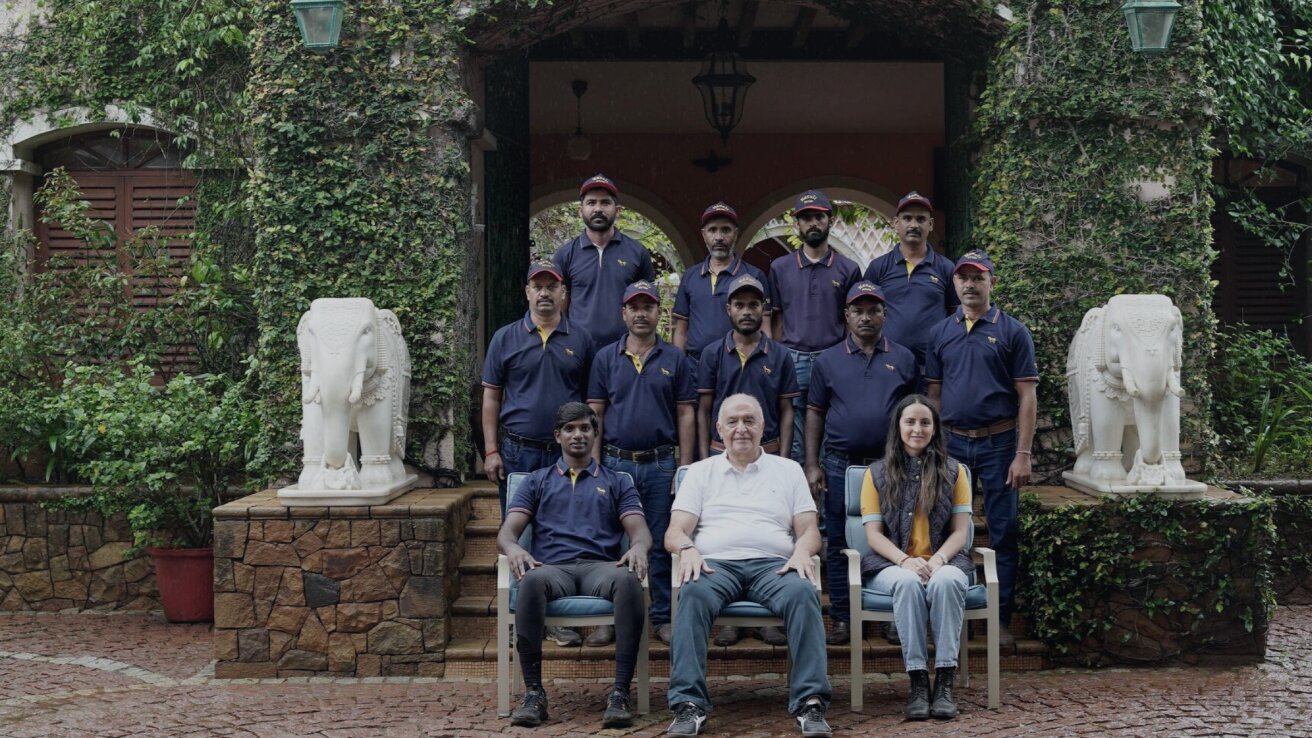
Tasleet stands alongside another familiar European name in Well Done Fox, a Stakes-winning son of Acclamation.
“He has had his share of winners and Stakes horses from a small first crop, so we’re very happy with him,” says Sidhu of Well Done Fox.
Sidhu’s love of horses was fostered from an early age whilst at school, initially through playing polo.
“When I moved to Glasgow to study at vet school, I started breeding from a few horses and went from a hobby operation into thoroughbreds,” he says. “I had a small broodmare band and then when I was working in Hong Kong, I got a few more. I started working in the industry professionally and one thing led to another. We’ve got about 30 mares on the stud now. We sell mostly as yearlings and retain a few fillies. We regularly buy out of Europe with the help of Ajay. It’s a bit of a social event for us.”
Sidhu, however, also shares industry concerns.
“The foal crop has dropped, although it has been at a consistent level after coronavirus,” he says, alluding to its place around the 850-mark since 2022, having been as high as 1,300 in 2016.
“Maybe the market is more stable because of it,” he continues, “we don’t have the appetite for a massive foal crop. Also, our government doesn’t favour us. If we could get a better grip on the tax situation, we’d be in a stronger position. But you can see that a good number of mares are still being imported from Europe and that shows a health to the industry. There are a small group of people who are constantly trying to keep it afloat and push it forward.”
Rampal concurs.
“Racing has stood the test of time, and the hope is it’ll continue to survive,” he says. “But like anywhere in the world, the top is fine and the middle and the bottom are struggling. What has really worked for some breeders is how expensive real estate has become. Most of the farms now fall under city limits, which makes the land extremely valuable. So, if a breeder sells even a little bit of land, they can have a very lavish lifestyle for the next ten years – like breeding horses.”
Katherine Ford delved into the Romanet dynasty
We looked at racing figures with involvement in national, local or international politics
Catrin Nack profiled the German racing photographer who doesn’t love racing all that much
View the latest Global Rankings for horses, owners, breeders, trainers and jockeys