

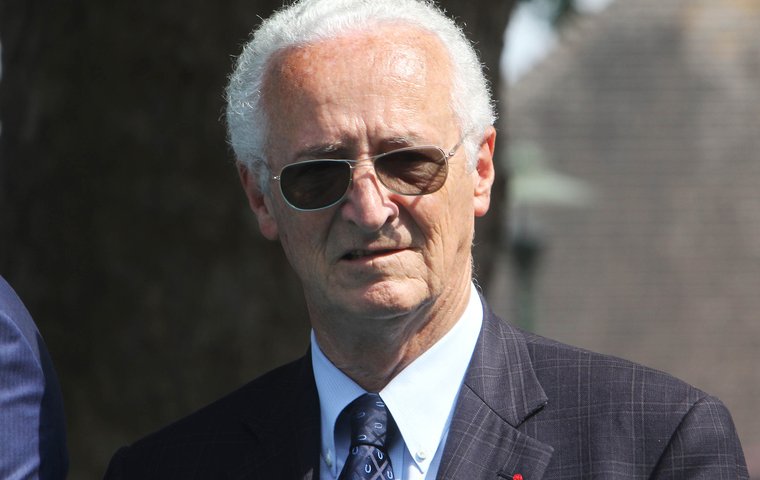
Louis Romanet, who died this month, was one of many members of the same family to have influenced French racing. French-based Katherine Ford profiled the dynasty.
In the history of racing, few families have exercised influence as deep, sustained and structural as the Romanets.
Across four members, three generations and over more than a century, the family has been synonymous with the sport in France and beyond.
Their legacy is inseparable from the rise of France as a global power in thoroughbred racing.
Maurice and René Romanet: at the origins of racing governance
The Romanet dynasty dates back to the early 20th century, just after the passing of a 1891 law that legalised pari-mutuel wagering and opened the way for development of the sport in France.
Maurice Romanet (1874-1924), passionate and erudite in the all aspects of his activities, attended breeders meetings and penned a report in 1906 criticising a government project to tax racing.
Impressed, Viscount d’Harcourt, who was vice-president of the Société d’Encouragement, the institution that oversaw Flat racing, offered him the role of assistant secretary-general of the organisation.
The Romanet reign, which would see the family govern, modernise and internationalise racing, had begun.
Maurice Romanet became seceretary-general of the Société d’Encouragement in 1915 and established a Flat calendar for the post-war years.
During this time, he was joined by his younger brother René Romanet-Riondet (1878-1945; he had previously adopted his mother’s maiden name as a pseudonym to write as a racing journalist) and the pair devoted themselves to missions including the creation of the Prix de l’Arc de Triomphe in 1920, the integration of Deauville racecourse into the fold of the Société d’Encouragement and the installation of electro-mechanical timing equipment at Longchamp.
Upon the death of his brother in 1924, René Romanet took up his role at the head of the Société d’Encouragement, overseeing the installation of the totaliser at Longchamp and the creation of the PMU.
He was also a close advisor to legendary owner-breeder Marcel Boussac.
The Romanets’ early stewardship coincided with a period in which racing was evolving from an aristocratic pastime to a structured, regulated industry.
The defining traits of the family dynasty were already visible: administrative rigour, and a long-term and international vision.
Jean Romanet: architect of modern French racing
The second generation of Romanets took the helm of French racing when Jean Romanet (1914–2003) became director-general of the Société d’Encouragement in 1961.
Overseeing a transformative era, his influence was key to the future success and stability of the sport in France.
Jean Romanet professionalised racing’s governance.
He restructured administrative systems, introduced more coherent funding mechanisms for regional racecourses and played a key role in developing training centers such as Chantilly.
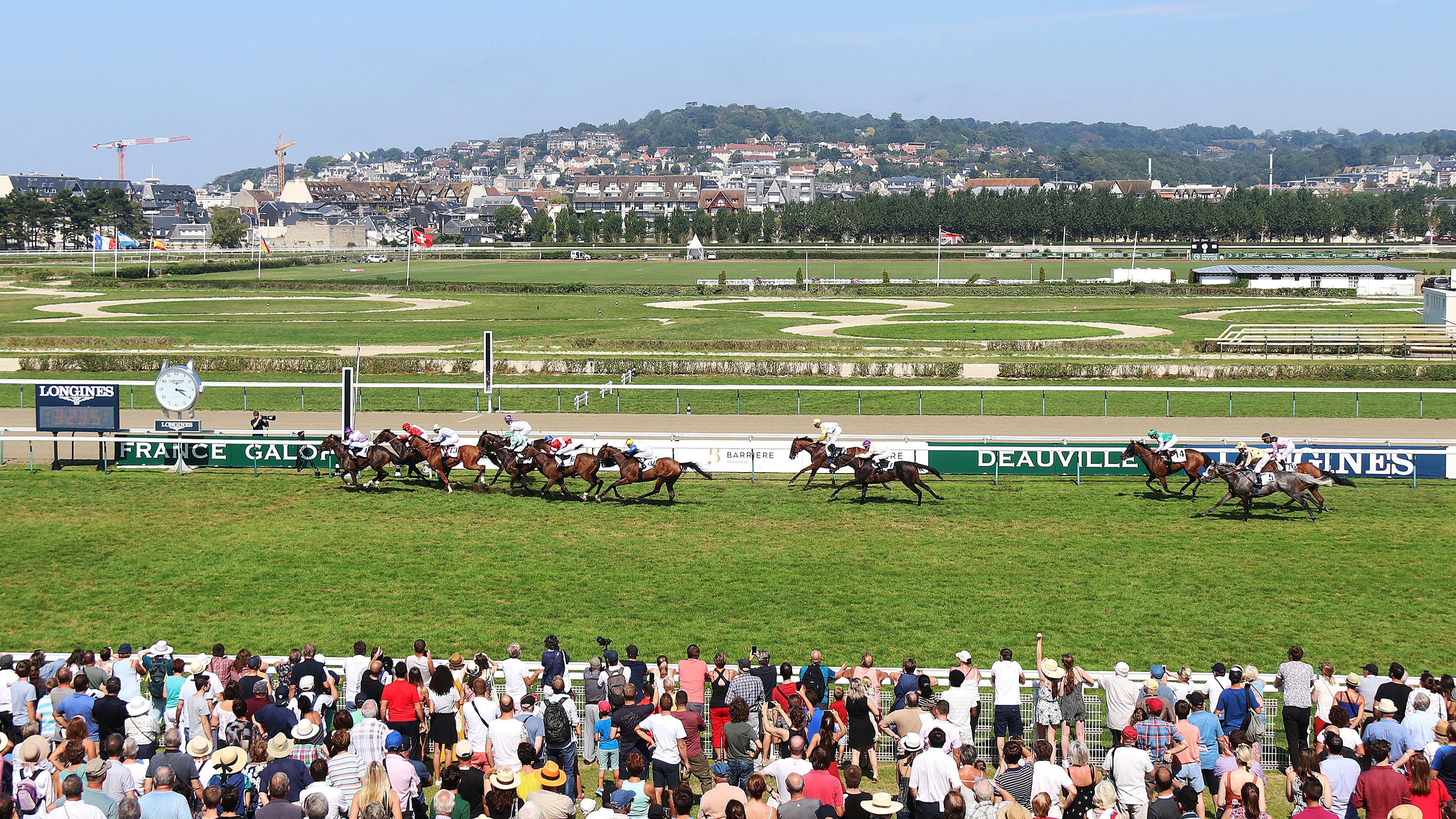
But perhaps his most enduring contribution was on an international level.
Romanet was instrumental in the creation of the Pattern system, effectively globalising the sport and recognising the importance of communication.
He also established the International Conference of Horseracing Authorities.
Louis Romanet: transition to the modern era
The dynasty continued seamlessly with Louis Romanet (1947-2026), Jean’s son, whose career symbolised both continuity and adaptation.
He began his collaboration with the Société d’Encouragement in parallel with his law studies in Paris and was designated director-general in 1968 when his father retired.
“My father instilled a number of values in me,” said the fourth representative of a family at the head of French racing in the Equidia documentary Romanet, prénom Louis. “The value of hard work, never counting the hours, working at weekends when necessary, and the sense of duty he felt towards the state and the institution. He always said: ‘I’m here to serve the institution’.”
One of Louis Romanet’s early services was the introduction of computerisation, an innovation that revolutionised operations and foreshadowed the data-driven future of racing.
His vision and influence oversaw the unification of three racing authorities into the all-encompassing France Galop, and he became the first director-general of the organisation in 1995.
This institutional merger was a pivotal moment, as it brought together Flat and jump racing under one umbrella, modernising governance and strengthening France’s position in the global racing landscape.
During his time at the helm of France Galop, Louis Romanet transformed French racing through decentralisation, development of infrastructure and transformation of the racing calendar.
His influence was equally – or more – important on the international stage, leading to global reflections in the sport and ensuring that France was at the forefront of them.
When his father’s creation, the International Conference, evolved into the International Federation of Horseracing Authorities (IFHA) in 1994, Louis became president and held this position for 27 years until his retirement in 2021.
Throughout his career, as an excellent connoisseur of all aspects of the industry, from sporting to economic, social to political, he perpetuated the family tradition and ensured the dynamism of French racing.
The story of the Romanet family isn’t one of famed owners, breeders or trainers, but instead of administrators who built the framework within which the sport operates.
Their legacy is institutional rather than individual, yet its impact is arguably greater.
Across four generations, the Romanets transformed French racing into a modern, globally integrated system.
In an industry often defined by fleeting champions and seasonal success, the Romanet dynasty stands apart: a rare example of enduring influence, where vision, governance and passion combined to shape the course of racing history.
The late Louis Romanet gave JA McGrath an interview for our What They’re Thinking series in 2019
In the latest edition of our Every Corner Covered series, James Burn looked at Mauritius
Shane McNally paid tribute to Makybe Diva
View the latest Global Rankings for horses, owners, breeders, trainers and jockeys