

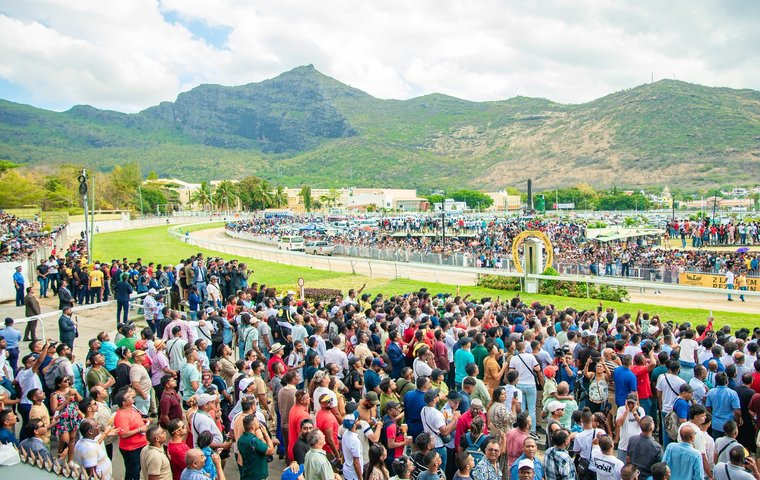
In the next instalment of our series profiling small racing nations, James Burn looks at Mauritius.

News that Darryll Holland, a well-known figure in Britain, will soon head to Mauritius to train may help put that nation’s racing scene back on the map.
A multiple Group 1-winning rider who explored the globe during his days in the saddle, Holland has trained in Newmarket since 2021 but will relocate his operation to the tropical island in the Indian Ocean.
Mauritius is a country he knows from his time as a jockey and it’s one that has faced trouble recently but is blessed with a rich history and hope exists that it could prosper once again.
To the north of the nation, in its capital Port Louis, Champ de Mars racecourse hosted its first meeting in 1812 and the Mauritius Turf Club (MTC), founded by the Oxfordshire-born Colonel Edward Draper, is the oldest racing authority in the Southern Hemisphere.
British support and influence continued and was matched by affection from locals, so the sport became a national pastime.
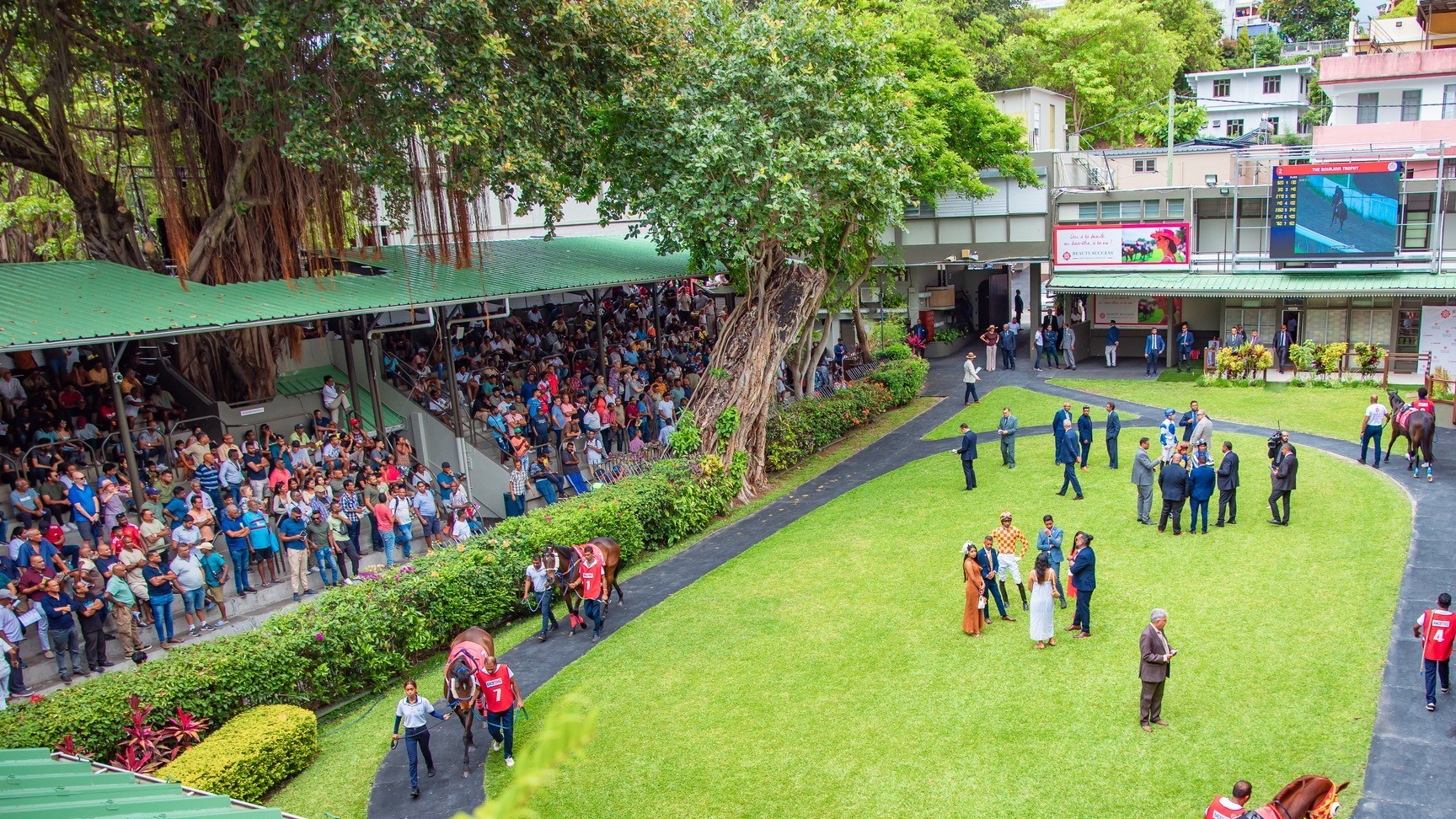
Yudish Geerdharry, born in the country, has had winners in Ireland, Holland’s former weighing room colleague Stevie Donohoe had stints there, and it has also attracted Frankie Dettori for jockeys’ challenges.
But its most famous export is Karis Teetan, who has forged a successful career for himself in the red-hot riding circuit of Hong Kong, where he has partnered Group 1 winning-superstars Ka Ying Rising and Romantic Warrior.
Any historic pride Mauritians felt for racing, however, may have eroded after the coronavirus pandemic, when the MTC was opposed by the then government, which handed power to the newly formed People’s Turf PLC (PTP).
It created a new racecourse, Petit Gamin, in Pamplemousses, a district not far from Port Louis, though that led to integrity concerns and popularity dwindled.
Another change in government two years ago resulted in the MTC regaining its licence to organise racing and the picturesque Champ de Mars, set against a stunning mountain backdrop but mothballed during the crisis, was renovated for last season, when 16 meetings were staged.
They took place from July to December and something of a feelgood factor is said to have returned along with the crowds.
This year, 27 fixtures are scheduled, though that figure has been as high as 38 and the average – prior to problems – numbered between 32 and 35.
The campaign normally runs from April to December, with racing held on Saturdays and the occasional Sunday thrown in. Cards – made up of handicaps, maidens and conditions contests – tend to be eight-race ones.
Those events (on turf) have a minimum field size of four and a maximum of 11, though they tend to attract six to ten runners.
The biggest race in the calendar is the Maiden Cup, which was run last year for a purse of around Rs1m and drew a crowd of more than 30,000.
Other prizes worth winning are the Barbe Cup, the Duke of York Cup and the Princess Margaret Cup.
About 300 horses compete for them, though there’s a desire among officials for that number to get above 400 and move closer to 500.
British expat Carl Hewitson is one of 14 trainers based mostly at the track, though some have facilities away from the main site in the cooler, more relaxed region of Floreal.
The 12 local jockeys include leading figure Kersley Ramsamy, and the 11 overseas riders feature the Brazilian Manoel Nunes. There are nine apprentices.
Racing is seen as a pursuit for all and those with smaller budgets are encouraged to become part of syndicates or take shares in horses, although no breeding occurs in Mauritius and most of the runners are sourced from South Africa.
Betting, as with most other jurisdictions, funds the industry, but revenue is also raised through sponsorship, racecourse turnover and owner investment.
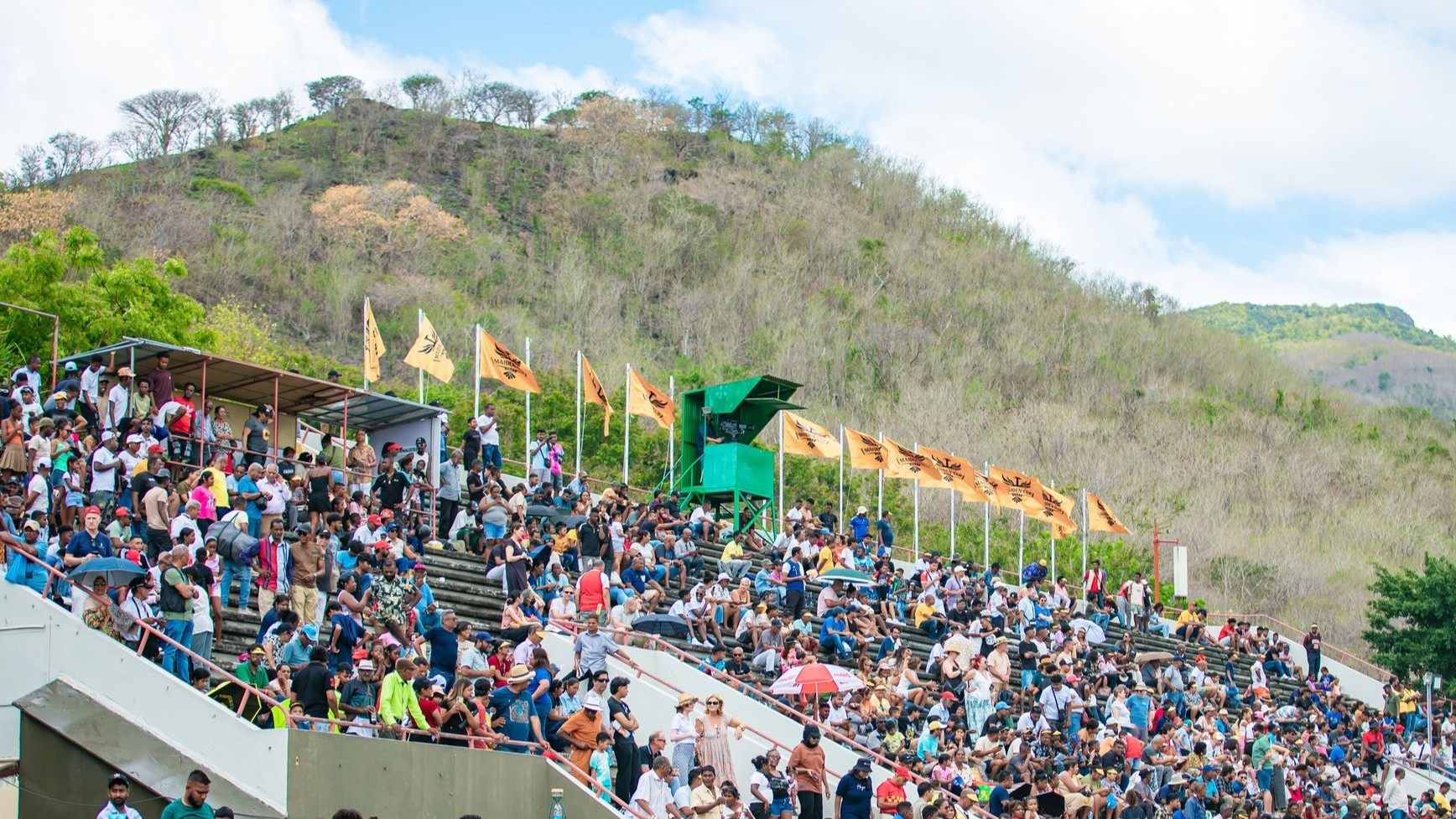
Locals are said to “love a bet”, which they can do on- and off-course and with bookmakers, and their passion for the sport can make for an “incredible atmosphere”, helped by a close-knit community in a country that’s smaller than London and home to around 1.3m people.
Their patronage, and interest from tourists, helped Mauritius become a racing nation of some note, but emerging from a dark period financially, improving infrastructure, restoring public confidence and possibly building a new track are aims.
The desire from those in charge to achieve such goals played a part in Holland’s decision to move, he said.
Time will be needed before the glory days are restored but, given the enthusiasm there has been, one would not bet against them returning.
Shane McNally paid tribute to Makybe Diva
Laura King spoke to Riccard Ferreira of Portugal, a jockey making his name in the Middle East
In his previous edition of Every Corner Covered, James Burn profiled Malaysia
View the latest Global Rankings for horses, owners, breeders, trainers and jockeys