

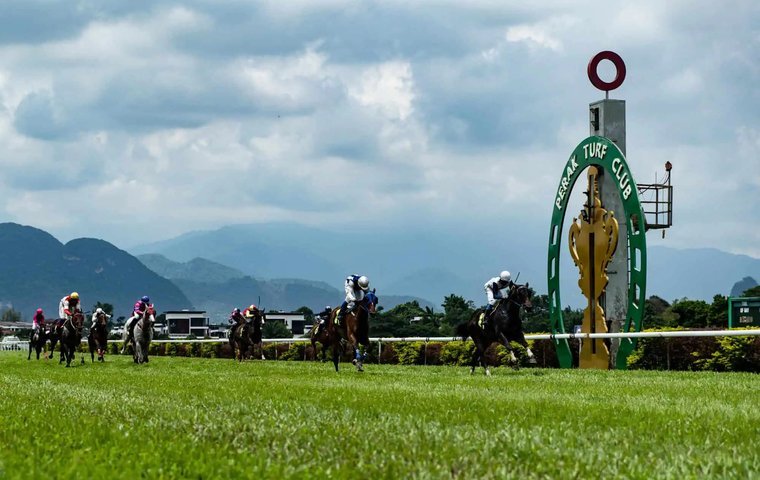
In the first instalment of a new series looking at small racing nations, James Burn profiles Malaysia.

If you want a jurisdiction that might be on the up, perhaps look to Malaysia, which could be in pole position to take advantage of racing ending in nearby Singapore and Macau.
As with many countries, the history of racing in Malaysia has British roots and the Penang Turf Club was founded in 1864, quickly becoming, according to the history page of its website, ‘a venue of recreation for English gentlemen and ladies as the sport was made exclusive to Europeans’.
The Perak Turf Club was inaugurated in 1886 and in the 1890s the Selangor Gymkhana Club was formed. By 1896, when its name had changed to the Selangor Turf Club, it had joined the Straits Racing Association, which regulates the sport in Malaysia.
Now known as the Malayan Racing Association, the organisation (also part of the Asian Racing Federation) oversaw matters in Singapore until racing in that country came to an end, but its reach doesn’t cover the Sarawak Turf Club, which is in the Malaysian area of Borneo and hosts only a handful of fixtures each year.
Year-round fixtures
Betting occurs on a parimutuel or pool basis to help fund the industry, and 57 meetings were programmed at Selangor to the south of Kuala Lumpur in 2026, while 26 are due to take place at Perak further north.
Racing is conducted year-round, mainly on Saturdays and Sundays, and cards tend to be double-figure, with a decent number of runners (10.89 was the average field size in 2019).
Trainers are based at each venue, which stage racing on turf and include an ample number of stabling boxes.
Action in Penang, however, where the legendary Lester Piggott and Pat Eddery once rode, stopped last year and the venue is up for sale with redevelopment in mind.
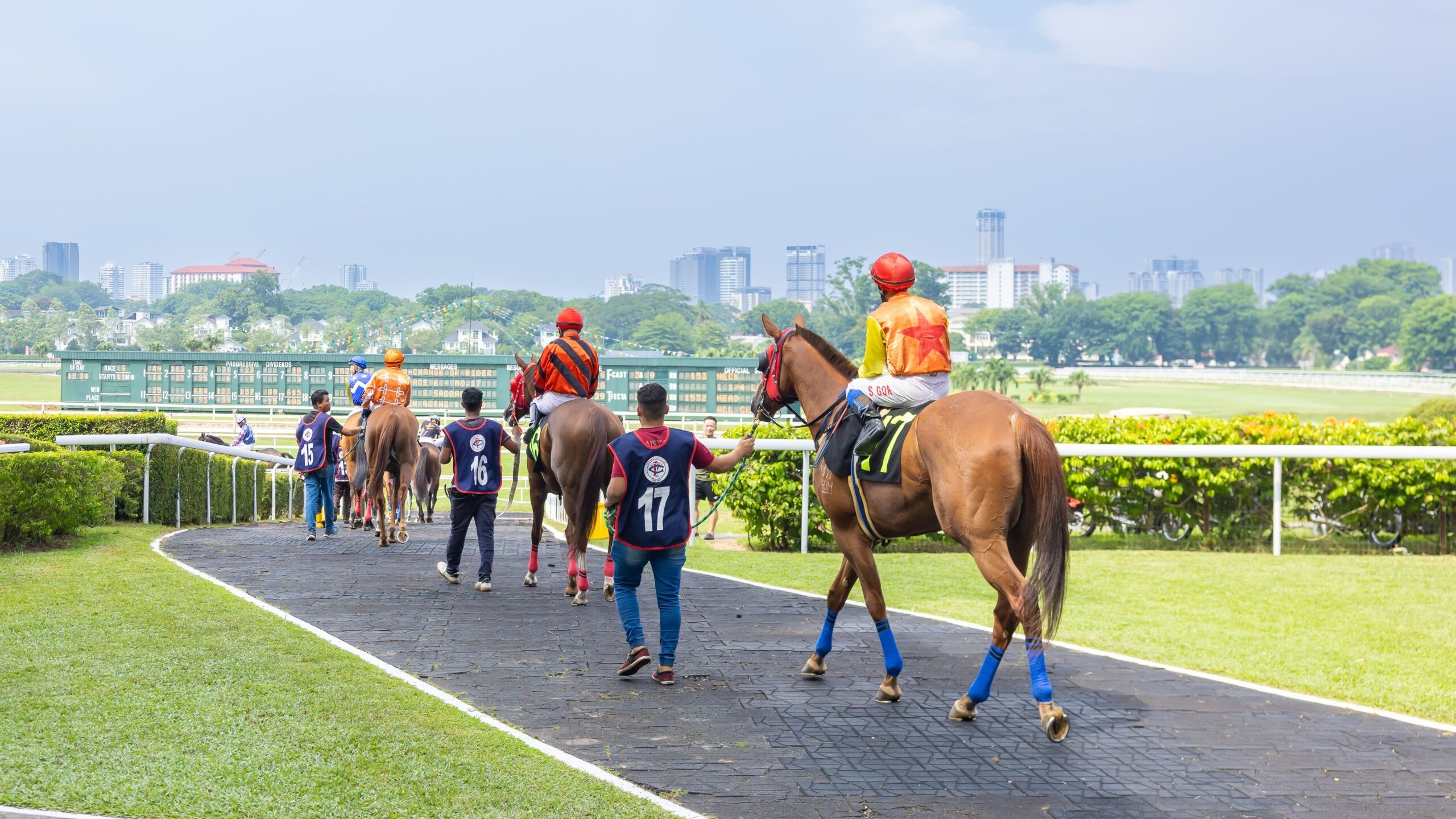
Given Colonial Chief, the first winner of the Hong Kong Cup, struck at Penang and smart sprinters Captain Obvious and Mr Big also made their mark at the track before competing at a higher level, that’s a shame, but Malaysia isn’t the first and won’t be the last when it comes to consolidating its venues.
A different calibre of horse competes in Malaysia these days, and the country is in the second tier of nations when it comes to framework adopted by the IFHA, putting it alongside Bahrain and Italy, although, unlike those regions, not one of Malaysia’s races carry black type status.
No breeding industry
No breeding industry exists and horses are often either bred in Australia or New Zealand. Some, though, find their way east from Britain and Ireland, such as Burgundy Boy, who began his career with Sheila Lavery, racing against the classy Gustav Klimt and subsequent Group 1 winners Verbal Dexterity and Flag Of Honour among others.
After a spell with Dermot Weld, he found his way to Malaysia and, as is common in Hong Kong, was renamed, becoming Cheval Blanc.
He raced for Aussie ex-pat Frank Maynard, who was Malaysia’s champion trainer in 2006 and was last seen finishing down the field in the Selangor Gold Cup, which was worth RM300,000.
That race is the middle leg of the Selangor Turf Club Triple Crown series, which also includes the Tunku Gold Cup and Piala Emas Sultan Selangor.
All those contests, however, are dwarfed by the Selangor Mile, which was introduced for four-year-olds only last year and has prize money of RM1,000,000.
According to organisers, it “cemented its place as the pinnacle of racing in the region, offering unparalleled excitement, prestige and prize money, while showcasing the Club’s capability to host a truly world-class event.”
Holding it also appeared to act as a message of intent and desire for wider international appeal, which won’t have been harmed by Jason Ong – who made history by becoming the youngest ever champion trainer in Singapore in 2023 – securing the Malaysian title in his first full campaign last year.
“Holding [the Selangor Mile] also appeared to act as a message of intent and desire for wider international appeal.”
Continuing that theme, there was also a maiden crown for jockey Al da Silva, who enhanced the reputation of Brazilian riders around the world.
Eleven of his winners came at Perak, which might be overshadowed by Selangor but still stages a series of historical and important events, namely the Coronation Cup, Perak Derby, Gold Vase and Charity Cup.
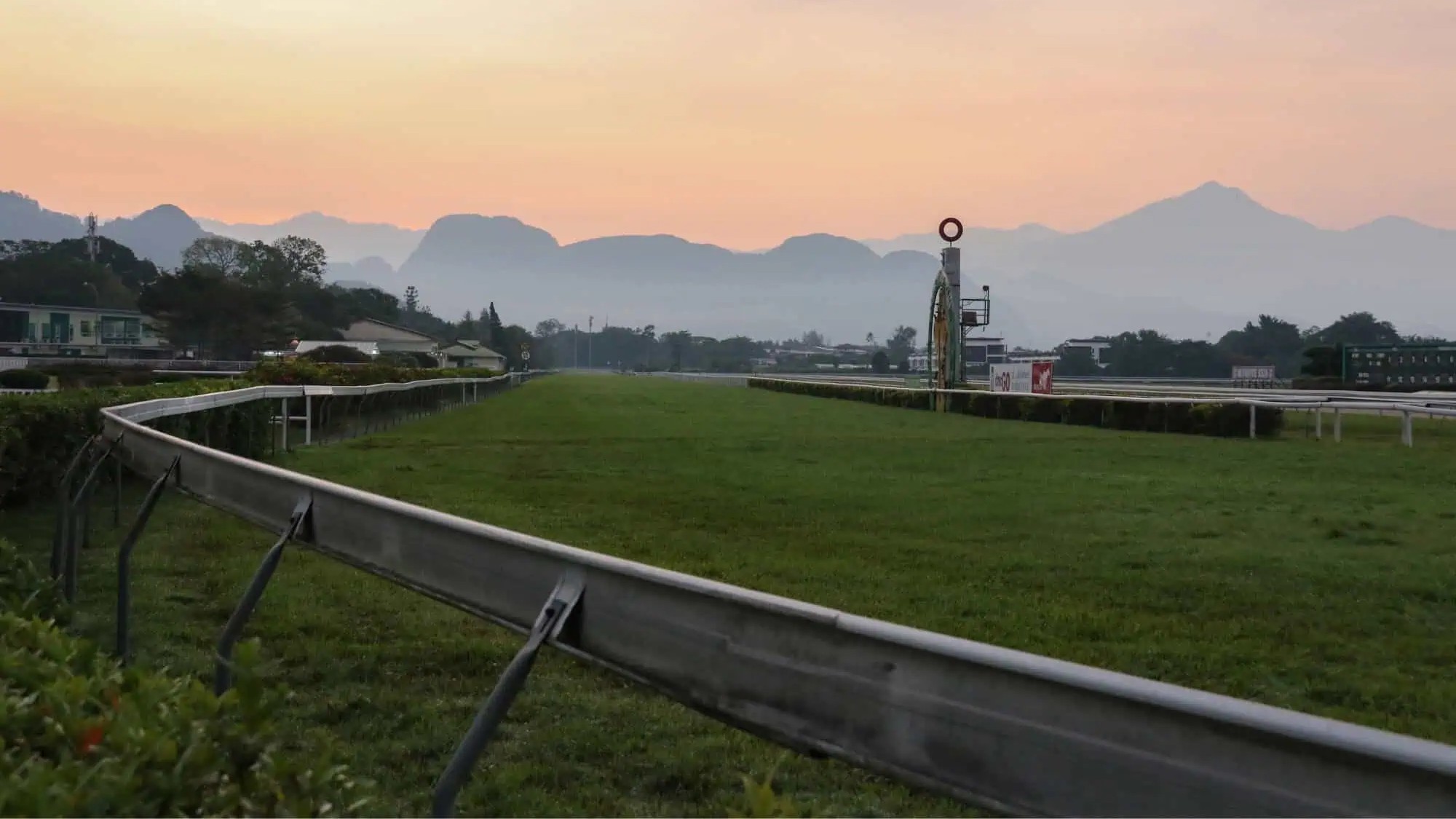
The late Ivan Allan, a dominant force in Malaysia and Singapore before moving to Hong Kong, saddled Big Chief to win the inaugural edition of the Coronation Cup, which at RM250,000 is the richest race at Perak.
It’s history like that, and established infrastructure, that makes Malaysia well placed to benefit from Singapore and Macau’s exit, especially as ambitions for the sport in Thailand, the Philippines and Vietnam are yet to be realised.
Zac Purton reflects on a record-breaking success from Ka Ying Rising
Tom Magnier discussed acquiring Super Seth for Coolmore Australia
Shane McNally looked into the career to date and future plans of Well Written
View the latest Global Rankings for horses, owners, breeders, trainers and jockeys