

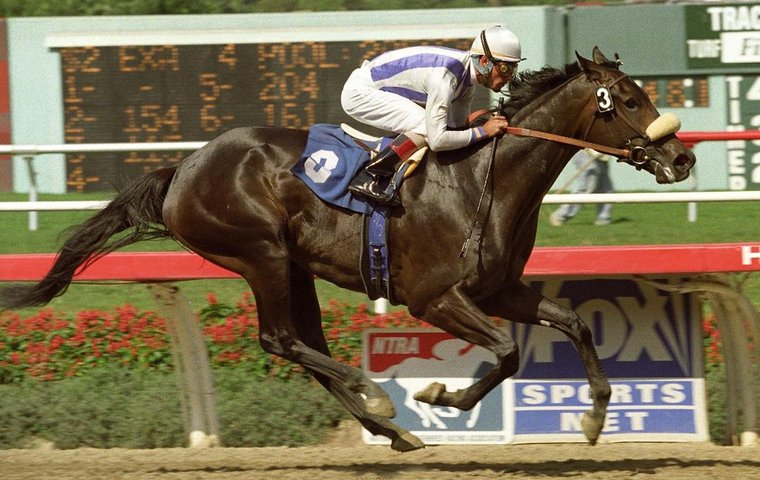
Our series continues with a speed-laden filly who lost only one of 12 starts at home in southern California for trainer John Shirreffs, who soon to find enduring fame with the great Zenyatta
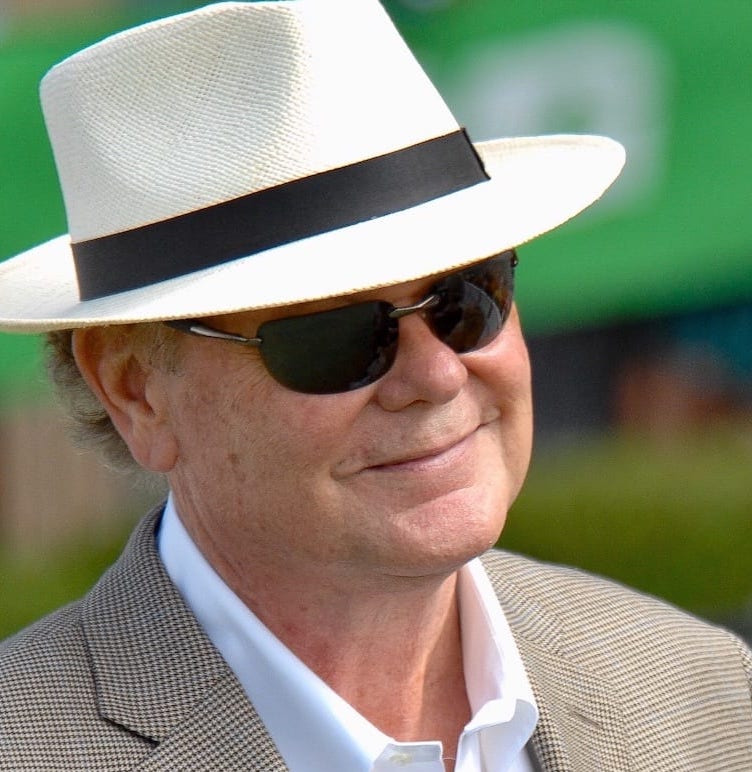 Comparisons were predictable. From the moment Zenyatta emerged as an undeniable force of equine nature, the training resumé of John Shirreffs was scoured for anything that could have predicted his handling of the towering daughter of Street Cry.
The mares Borodislew and Radu Cool were graded-stakes winners. Starrer swept up a couple of G1 races while in his care. But then, after discovering the former US marine combat veteran was more than just a one-trick pony, all eyes fell upon a creature who, quite literally, towered over her West Coast opposition at the turn of the century.
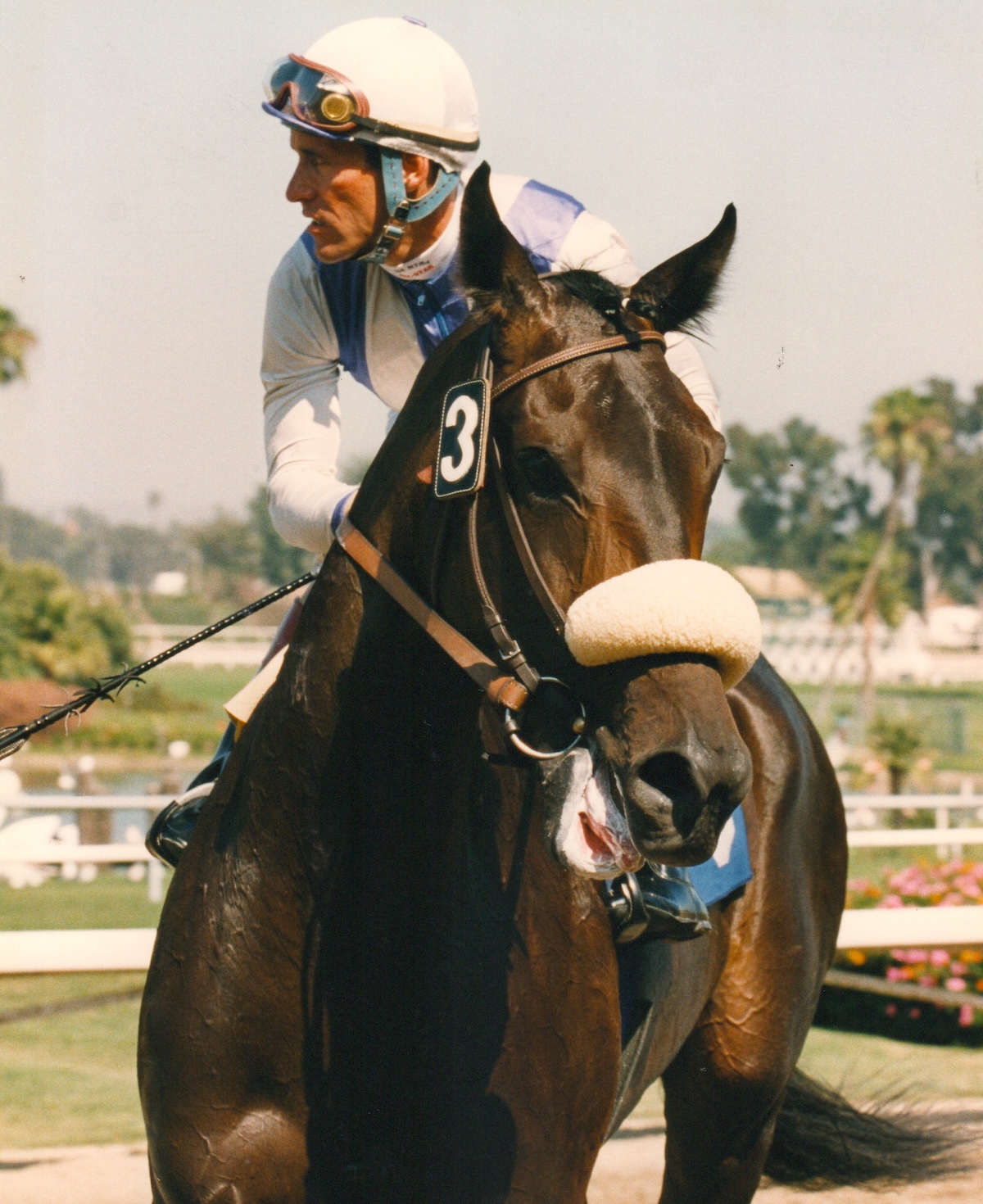 Manistique was her name, in honor of a quaint little town on the shores of Michigan’s Upper Peninsula. She was raced by her breeder, movie theatre tycoon Marshall Naify, and ridden by a succession of Hall of Fame jockeys to 11 victories in 15 starts over parts of three seasons.
Also, except for her vertical measurements and official designation as a Thoroughbred, she was nothing like Zenyatta.
Jay Hovdey: Zenyatta – ‘A symphony in 20 inspiring parts … there’s little to compare’
As if anyone needs to be reminded, Zenyatta was a beast topping 17 hands and 1,200 pounds who would spot her rivals a furlong or more before running them down with icy regularity. She traveled well and lost only one of 20 starts.
Manistique also soared above 17 hands, but her hole card was speed and more speed, deployed most effectively over 8½ and nine furlongs. While losing only one of 12 starts in Southern California, she scared most of her competition to ground, compared to the waves of good mares who tried Zenyatta.
Minimum fuss
At least Zenyatta gave them a fighting chance. Not so Manistique. The daughter of Unbridled ran as if determined to get things over with as quickly as possible, with minimum fuss.
She announced herself early with an 11-length maiden race win at Hollywood Park, in May 1998, then came right back in June to win an allowance race by ten. By the time she made her stakes debut in the Hollywood Oaks that July, the difference between Manistique and her local opposition was pretty much fixed. Again, she won by ten.
Given her heritage, no one was surprised. Unbridled, both a Classic winner and Breeders’ Cup Classic winner, sired two-year-old champion Unbridled’s Song from his first crop and Kentucky Derby winner Grindstone in his second. Manistique was from Unbridled’s third crop, hitting the ground at Naify’s 505 Farm in Lexington on April 28, 1995.
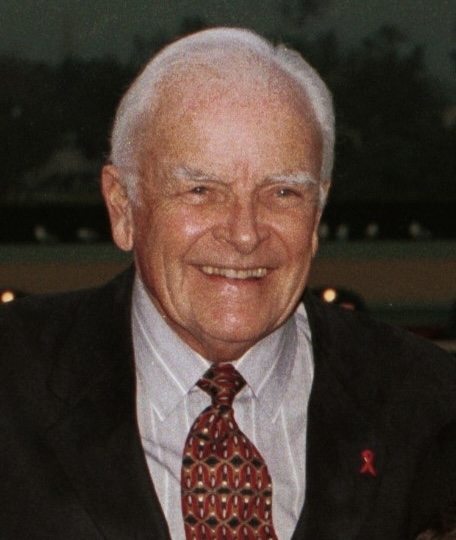 Her dam, Astaire Step, was a daughter of Nureyev who won only once in 25 starts, but was never dropped for a claiming tag. She was purchased by representatives of Naify (right) for $57,000 at the 1991 Keeneland Mixed Sale of Breeding Stock.
That same year, Naify bought his Kentucky Farm from the duPont family and commenced stocking the fields with mares and foals, intent on satisfying his growing love of the game. At the time, Naify was enjoying the view from the top as owner of Bertrando, the older male champion of 1993. Bertrando was campaigned in 1994 by Shirreffs, hired that year as Naify’s private trainer.
Unbridled was at Gainesway Farm when Astaire Step paid a visit, with a baby Relaunch colt by her side. She also brought along a female family of modest performers, with the exception of her second dam, Sailingon, a foal of 1971 who became a Maryland institution. Her 19 victories in 73 starts included two runnings of the Chrysanthemum Handicap and a collection of lesser stakes.
With an unmarked dark bay coat that shone almost black, Manistique was a visual feast from the start.
Very special
“I believe I first saw her when she was at 505 Farms as a two-year-old,” Shirreffs said. “She was big and long – just elegant, and very feminine. When you say Thoroughbred, you’d say Manistique, the image of the breed. Just very special.”
 Shirreffs (right) was speaking as he sat in his Santa Anita stable office around feeding time on a quiet Sunday afternoon. A series of pictures decorating the walls depicted various Shirreffs stakes horses in their winner’s circle celebrations, including Harmonious, Tiago, Giacomo, and, of course, Zenyatta. The first in the array was of Manistique, capturing her victory in the 1999 Santa Margarita Handicap.
As a conversation starter, Shirreffs was asked if he weighed her, like he did Zenyatta and others in his charge.
“I was afraid to weigh Manistique,” Shirreffs admitted. “She was so thin. That was a big battle – keeping her in her feed tub and getting her enough calories. It was her temperament, extremely high strung.”
There is one newspaper story referring to Manistique’s weight as 1,150 pounds. But to hear Shirreffs tell the story, he must have had his toe on the scale.
“There are pictures of me hand-feeding her,” Shirreffs said. “It had to be that way. Obviously, you try to encourage them to eat by putting things in their feed. Maybe carrots, maybe apples, maybe she wants more salt. In the end, if that doesn’t really work, maybe they’ll be curious and eat out of my hand.”
Shirreffs has been described as an old-school horseman hidebound by ancient training traditions, but nothing could be further from the truth.
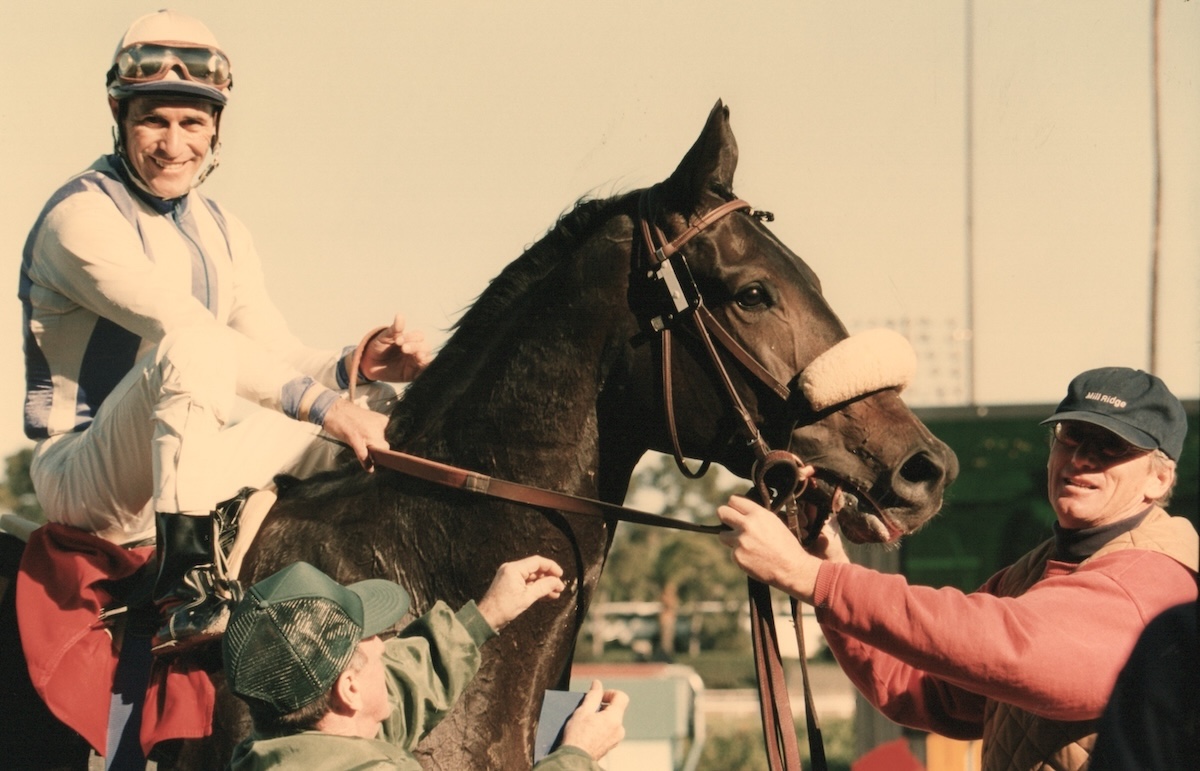 Yes, his larder of products will include essential oils like frankincense and myrrh, as well as wheat grass slurry and Guinness. But he is also a staunch believer in the very latest laser and microcurrent therapeutic technologies.
His secret – and it really isn’t – is appreciating the unique nature of the job a Thoroughbred is asked to perform. “The bonding with her was important,” Shirreffs said of Manistique.
Nice guy
“You want them to want to spend time with you, to believe in the people around them, and not have any fears. When they see a person, you want them to simply take a deep breath, like, ‘Oh, this looks like a nice guy. And he’s going to feed me.’”
Clearly, Manistique responded well enough to the Shirreffs touch to take a full swing at the fences in only her fourth start. That summer of 1998, she hopped on a plane bound for New York to race in Saratoga’s Alabama Stakes.
“Look at the talent she’d shown,” the trainer said. “Unless you try, you never know.”
Waiting for her there was Banshee Breeze, another daughter of Unbridled who had already won the Coaching Club American Oaks and finished second in the Kentucky Oaks. The man in her corner was Carl Nafzger, who also trained Unbridled.
“That’s when I got to know Carl,” Shirreffs said. “He was very impressed with Manistique, and a little worried.”
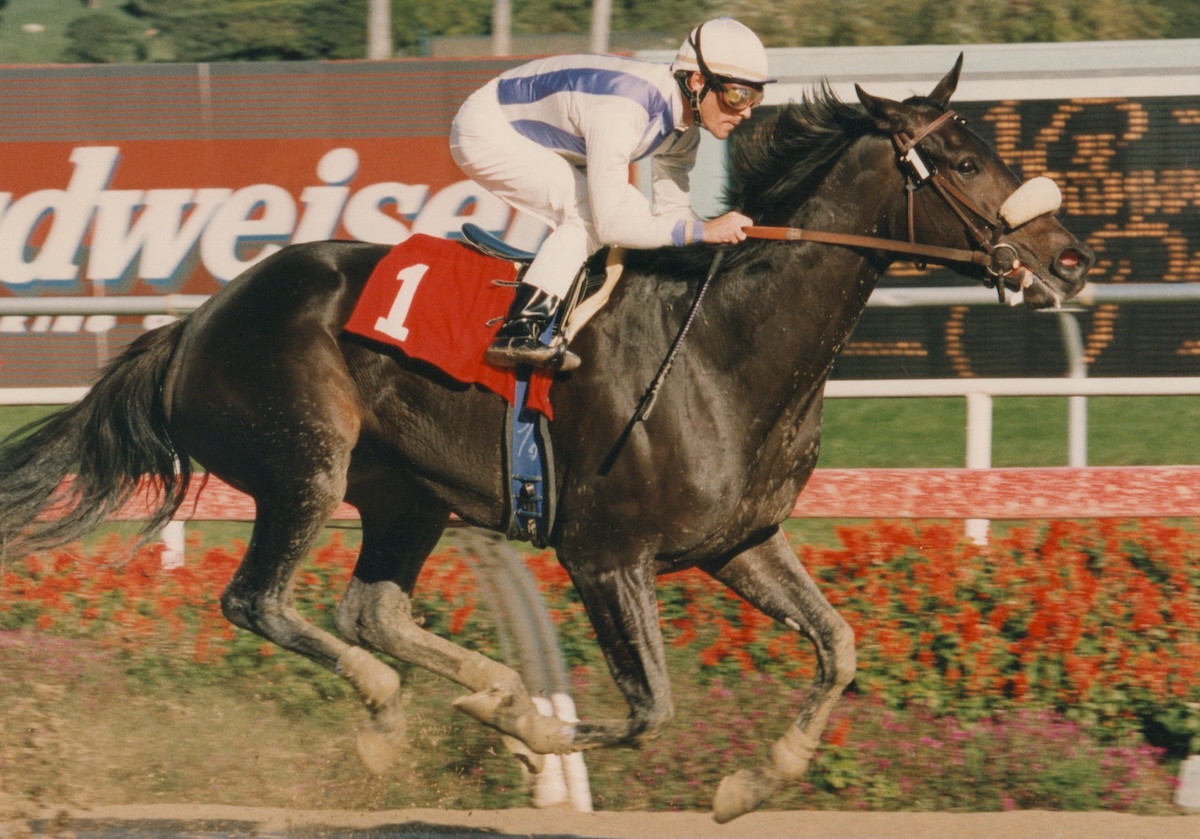 As it turned out, Nafzger had the right Unbridled that day. Banshee Breeze romped home by six lengths, while Manistique just missed second money by a neck to Lu Ravi.
Worthwhile challenge
Shirreffs took a deep breath of his own and brought the filly back to California, where Manistique continued to be a worthwhile challenge.
“You always had to be aware of the calories she burned,” Shirreffs said. “She was a handful on the racetrack. When she wanted to get around there, she pretty much trained herself. There wasn’t a lot you could do about it.
“On top of everything else, she was very bad at displacing,” Shirreffs added, referring to the displacement of the palate that leads to a reduction of air flow. “There are a number of reasons that can come about. Sometimes it’s nerves, sometimes it’s soundness. But it’s all related to some form of stress.
Manistique concluded her three-year-old season by giving weight to older stakes winners in the Bayakoa Handicap at Hollywood Park in early December. Cruising comfortably on the pace for Gary Stevens, she won easily by two lengths.
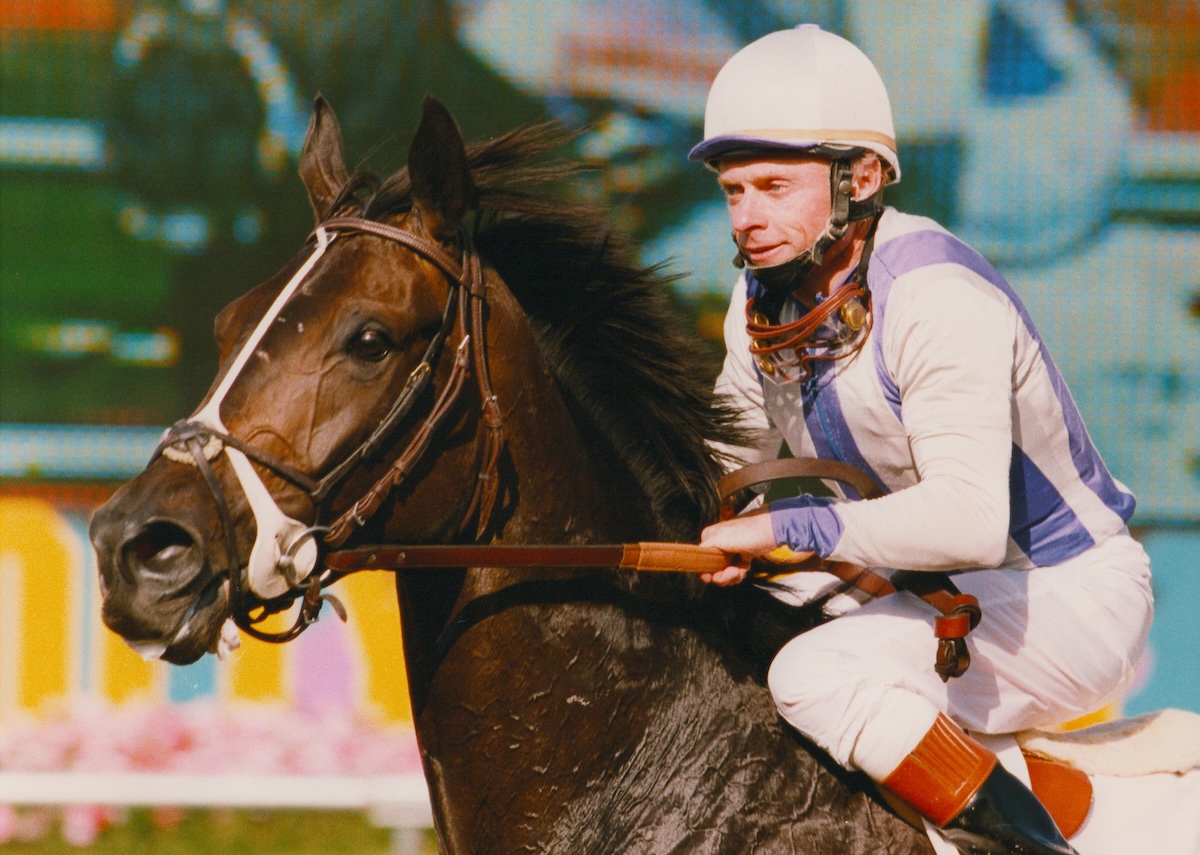 At four, Manistique picked up right where she left off. The El Encino Stakes attracted only two opponents, but one of them was Gourmet Girl, the daughter of Cee’s Tizzy who would go on to be champion. In what turned out to be a virtual match race, Manistique proved to be as tough as she was talented, edging her tenacious opponent by a head at the end of the mile and one-sixteenth.
Carbon copy
Gourmet Girl was back for more in the La Canada Stakes at nine furlongs, along with La Brea Stakes winner Magical Allure and Tranquility Lake, a rising star.
Manistique broke half a step slower than her rivals, but Stevens threaded between horses with his big girl and was on the pace by the time they reached the first turn. From there, Manistique delivered a carbon copy of her best races to win by 2½ lengths.
“I think this one right here was my favorite race of hers,” said Shirreffs, pointing to the photo of the Santa Margarita celebration. “It was an important race, and everyone was there.”
In Santa Anita’s premier race for the division, Manistique toyed with Magical Allure on the early pace before leaving the small field to win by three lengths, thereby adding her name to a list of Santa Margarita winners that included such Hall of Fame mares as Two Lea, Gallant Bloom, Susan’s Girl, Glorious Song, and Lady’s Secret.
She was now unbeaten in seven California starts, prompting Shirreffs and Naify to once again turn their sights eastward, anxious to prove their filly was more than just a local hero.
Their target was the Apple Blossom Handicap at Oaklawn Park in early April. Banshee Breeze was there to greet them, along with the hometown speedball Sister Act, unbeaten over the track.
Manistique pulled harder than usual at Stevens while chasing Sister Act through rapid early fractions that left nothing for the final drive. She finished fourth, well back of Banshee Breeze.
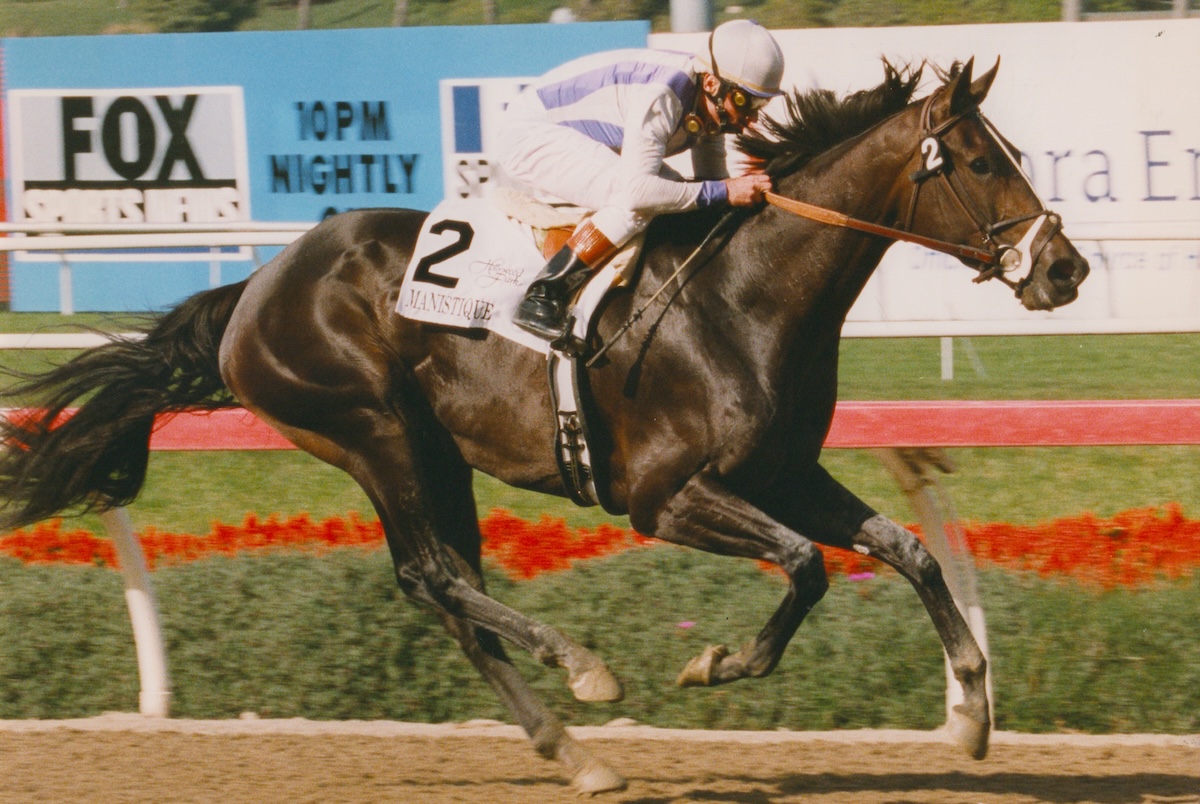 Manistique was back to her best form in the Vanity Handicap at Hollywood Park in late June to win by 4½ lengths.
Familiar scenario
The scenario was familiar – stalk the leader, pounce, and draw away – only this time she was ridden by Chris McCarron. Gary Stevens was off to England to ride the summer for Sir Michael Stoute.
McCarron was back on board for the Chula Vista Handicap at Del Mar, in which Manistique carried a career high 124 pounds. She was giving away anywhere from eight to 13 pounds to the opposition, but that probably was not why she was beaten a half-length by the modest filly A Lady From Dixie.
As the field headed for the first turn of the 8½-furlong event, Manistique bore out significantly, losing precious ground. Shirreffs thought he had an explanation.
“We were stabled in the barns at the clubhouse turn that year,” Shirreffs said. “There is a gap to the track there, and right out of the gate she’s heading towards the gap. They’re not stupid. They know the way home.”
With McCarron traveling for a stakes engagement in New York, Shirreffs called upon Corey Nakatani to ride Manistique in her subsequent start, the Lady’s Secret Handicap at Santa Anita.
It was a reunion of sorts, since Nakatani had ridden the filly in her first two races. And they still were a winning team, although the longshot Cookin Vickie and Victor Espinoza gave them a scare. Taking full advantage of a 12-pound pull in the weights, Cookin Vickie came within a neck of a staggering upset, yet Manistique prevailed.
Twin chinks
Even as the filly aged, Shirreffs still was dealing with the twin chinks in Manistique’s armor: her finicky eating habits and her tendency to displace her palate.
“We used a Sur Win bit holder on her bridle to try and keep her from displacing, a tongue depressor bit, and a tongue tie,” Shirreffs. “That was probably overkill.”
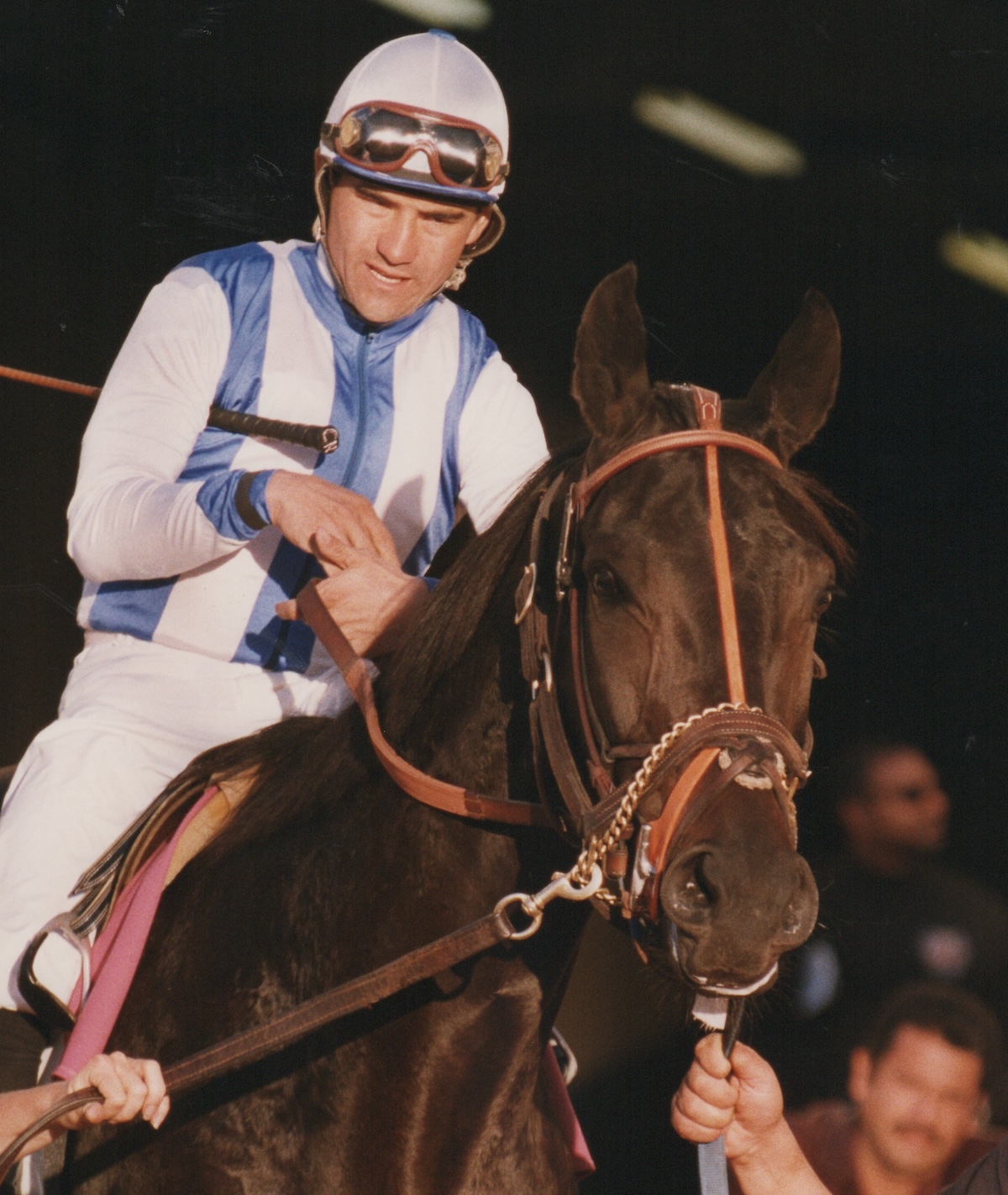 In the spirit of taking one more shot at national acclaim, Manistique boarded a plane bound for Florida and the 1999 Breeders’ Cup Distaff at Gulfstream Park.
The Cup had been most recently presented in California at Hollywood Park in 1997 and would not return until 2003 at Santa Anita, so there was never a chance for Manistique to compete at home. (It is also fair to note that no East Coast runner ever traveled west to face Manistique.)
Still, she was hardly out of place in an all-star Breeders’ Cup field that included Banshee Breeze, Beautiful Pleasure, Silverbulletday, Keeper Hill, and Heritage Of Gold.
Manistique’s odds of 15-1 were no doubt a reflection of her record on the road. Even so, she was in the thick of things to the far turn, whereupon she began losing ground.
Nakatani, who knew something was amiss, treated her gently through the final furlongs and brought her back safely. She had, as Shirreffs feared, displaced once again.
Home again
Back out west, her forgiving fans were treated to a final pair of impressive appearances. That December, Manistique won her second Bayakoa by three lengths, giving away from seven to 12 pounds.
Then, on Feb. 13, 2000, she carried 125 pounds to victory over a mud-splattering main track in the Santa Maria Handicap at Santa Anita. The mares finishing third and fourth, Gourmet Girl and Riboletta, were champions in 2001 and 2000 respectively.
On March 23, 2000, Marshall Naify turned 80, excited about the prospects of his large stable under the guidance of Shirreffs. On April 19, Naify died during what was described as a routine surgical procedure.
In short order, the executors of his estate organized the dispersal auction of most of the Naify Thoroughbred holdings, including Manistique. “Marshall Naify was a great man to work for, one of the really true patrons of the sport, and a good friend,” Shirreffs said.
“He loved his horses, and he loved to have his people around to watch them run. There were days he’d drive to the racetrack by himself just to watch them train.”
As for Manistique, she had sustained an ankle injury training for her next start and probably would have been retired whether or not her owner had died.
Winding down
“I think she was winding down anyway, in terms of being a racehorse,” Shirreffs said. “I was glad that Marshall was able to be at the track to watch her win her last race.”
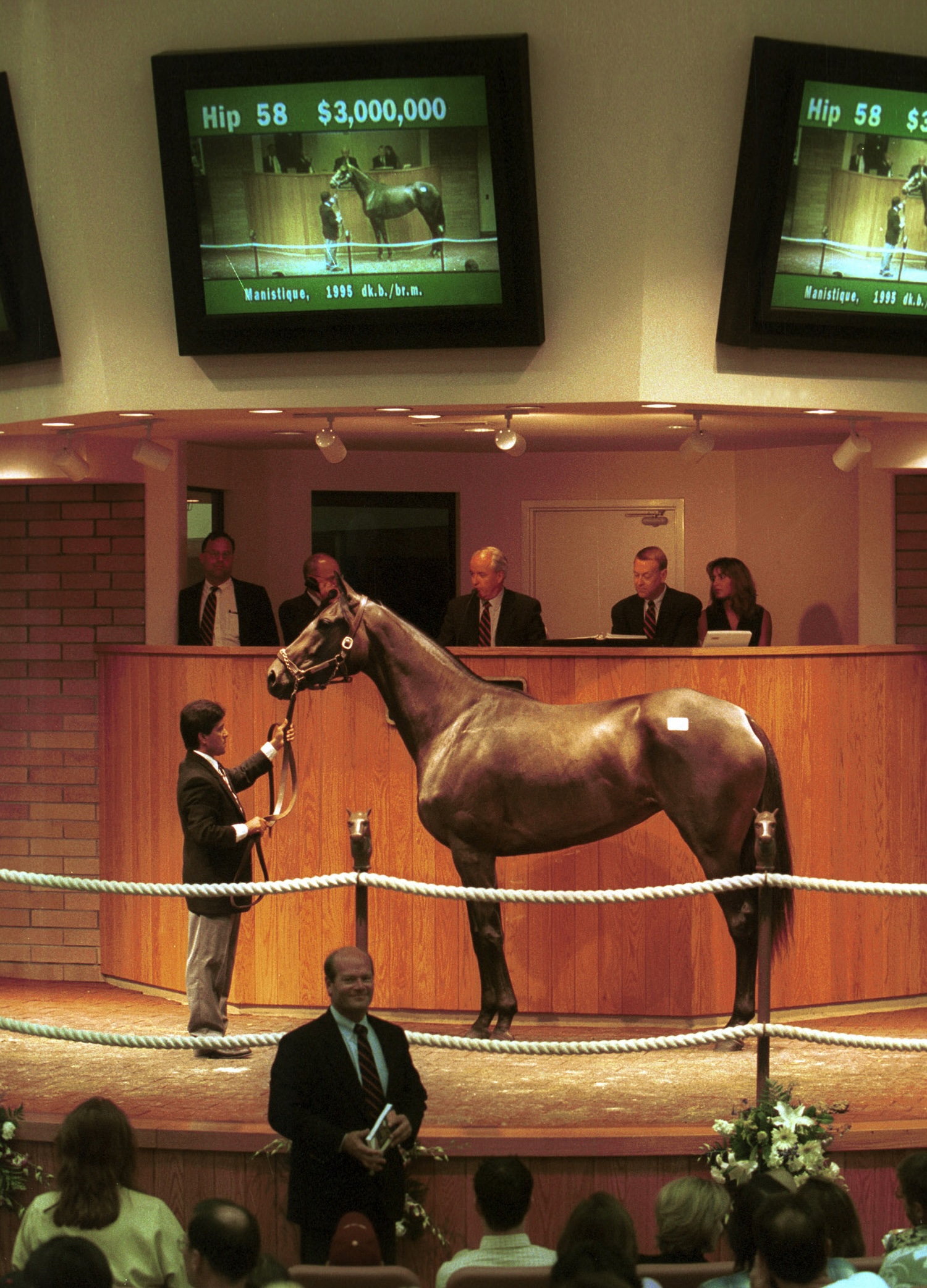 For a bid of $3 million, Manistique went to Aaron and Marie Jones, who were in the midst of a championship season with Riboletta. Manistique commenced her broodmare career at Taylor Made Farm in Kentucky, but she was not a success.
“I was surprised, but I’m kind of getting used to it,” said a rueful Shirreffs, who had to deal with the failure of Zenyatta to produce a successful offspring. “The only foal I had of hers had bad knees and was very crooked. But I’m not blaming it on her. That was not an issue.”
“She was just a big, beautiful mare who had the same shape and body style as Unbridled,” said Frank Taylor, who runs Taylor Made with his family. “But sometimes with big mares it can be hit or miss. She was a good mother, but unfortunately she didn’t reproduce herself.”
In 2007, the Joneses sold Manistique to the Kentucky branch of the Darley operation.
Alas, the song remained the same. None of her offspring made an impact on the racetrack. She produced her final foal, a filly by Lonhro, on March 12, 2013. Four days later, Manistique was euthanized due to severe foaling complications. Her remains were buried at Darley.
Gone but hardly forgotten, the flashing, near-black spectre of Manistique on the march remains one of racing’s most thrilling sights. For all her challenges, Shirreffs treasures the time he spent in her presence and values the lessons learned from his first big mare.
“I always thought that if she had been a little bit better about a couple things,” he said, “there is no telling what she would have accomplished.”
• Read all Jay Hovdey's features in his Favorite Racehorses series
‘A devastating front-runner, calm and collected, and difficult to pass’ – Jay Hovdey on Little Mike
Snow Chief: ‘The little black colt who humbled the best of his generation’
Lava Man: ‘Grace under pressure, time and time again … a horse who refused to lose’
View the latest TRC Global Rankings for horses / jockeys / trainers / sires