

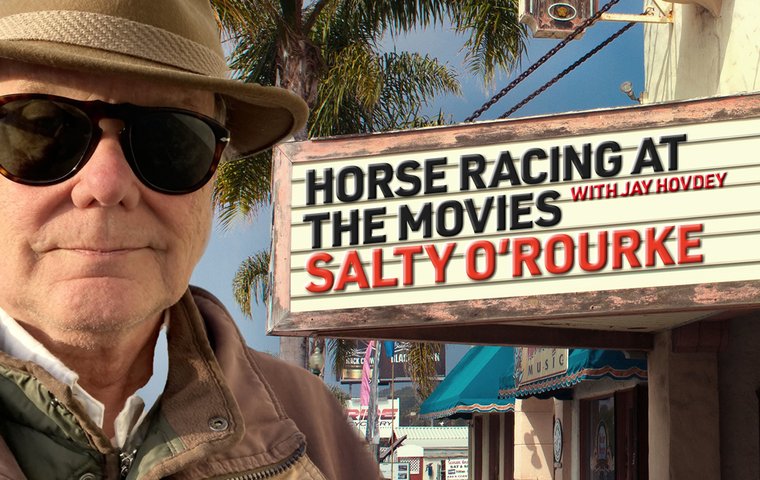
Our movie man looks at a racing-based vehicle for screen idol Alan Ladd as a gambler pursued by a gangster – with an Oscar-nominated screenplay
Salty O'Rourke (1945)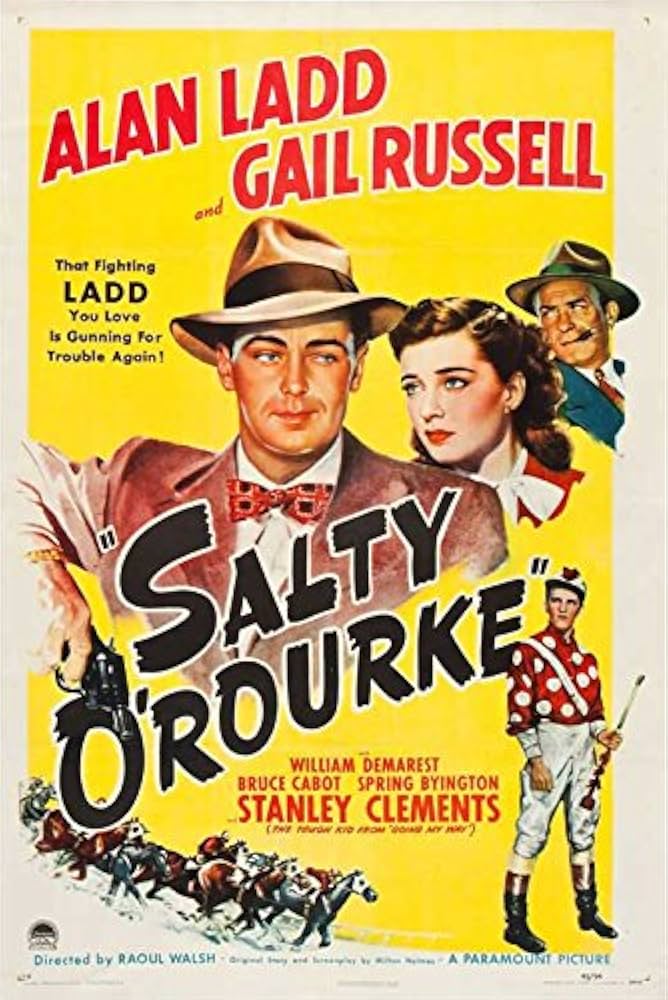
directed by Raoul Walsh; starring Alan Ladd, Gail Russell, Stanley Clements
There’s a moment, about an hour and 20 minutes into the running, when Salty O’Rourke changes from a lightweight romantic comedy into as dark a racetrack film noir experience as anyone could want.
Stanley Clements, possibly exhausted from all the time he spends mugging his way through earlier scenes, sits sweating in a steam room alongside the gangland bookie played by Bruce Cabot. Clements is a jockey with a crooked past who has been given a lifeline.
He’s a stone-cold cinch to win the Delington Downs Handicap aboard Whipper, a rogue of a racehorse only Clements can ride. But the jock has it in for Alan Ladd, a gambler and owner of the rogue, and he’s willing to throw the race just to spite his rival for the attention of the beautiful Gail Russell.
Cabot, who never breaks a sweat, takes him up on the offer, tosses the jock a couple grand, and gets on the phone to tell his minions to scoop up all the action they can on Whipper. It’s money in the bank.
Clements is a fast-talking empty vessel who takes nothing more seriously than his next tough guy wisecrack or smarmy flirtation. He’s pretending to be his younger brother to skirt the jockey licensing process, but now, committed to a heightened betrayal, he suddenly grows up. Or grows a conscience. Take your pick.
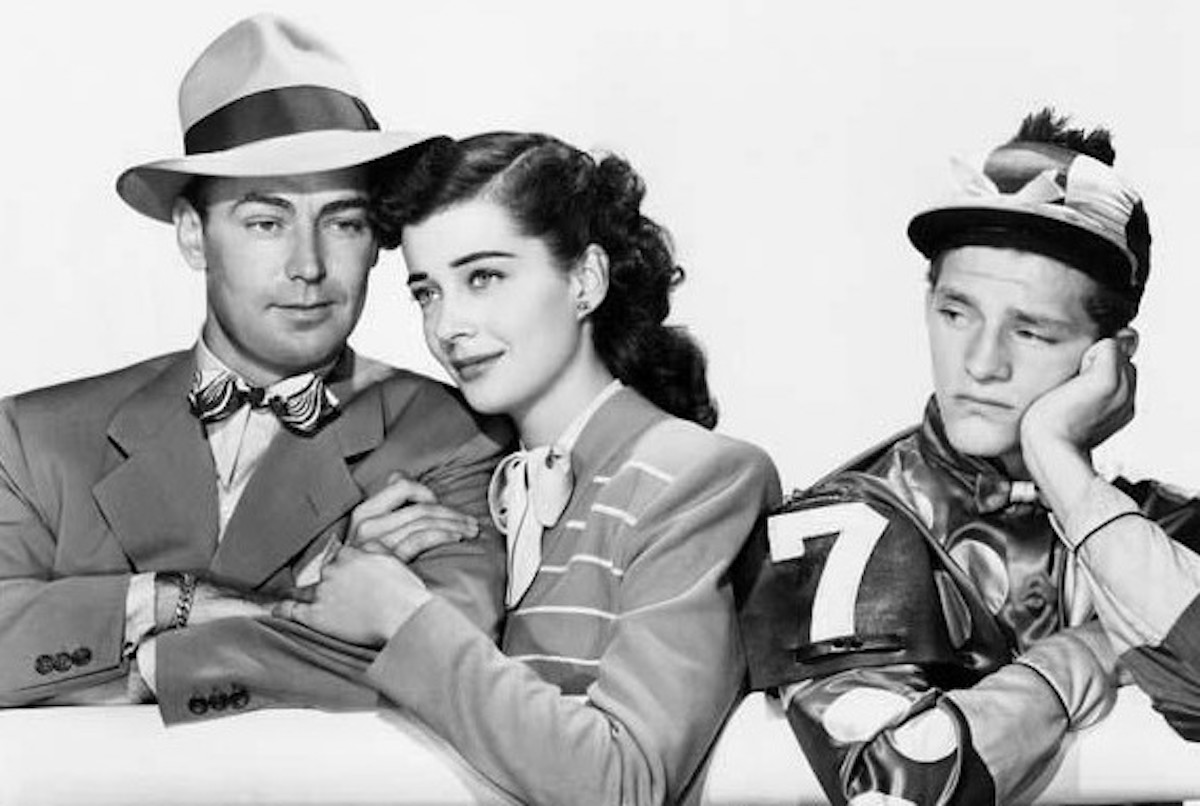 Anyway, he makes a dramatic U-turn that rains down all sorts of dire consequences when Cabot the bookie loses a fortune, and not even a sunny final scene between the gambler and the girl can erase the lasting taste of the jockey’s grim sacrifice. At least Whipper comes through unscathed.
Bad-boyish charm
Make no mistake, though, Salty O’Rourke is an Alan Ladd vehicle all the way. In the title role, Ladd gets to deploy all of his bad-boyish charm, delivered with those long eyelashes and a silken baritone that belied his diminutive stature.
At 5-6, Ladd forced directors to work around height disparities with other actors. Clements was perhaps an inch or two shorter, so it’s a treat to watch them interact in scenes without the customary accommodations.
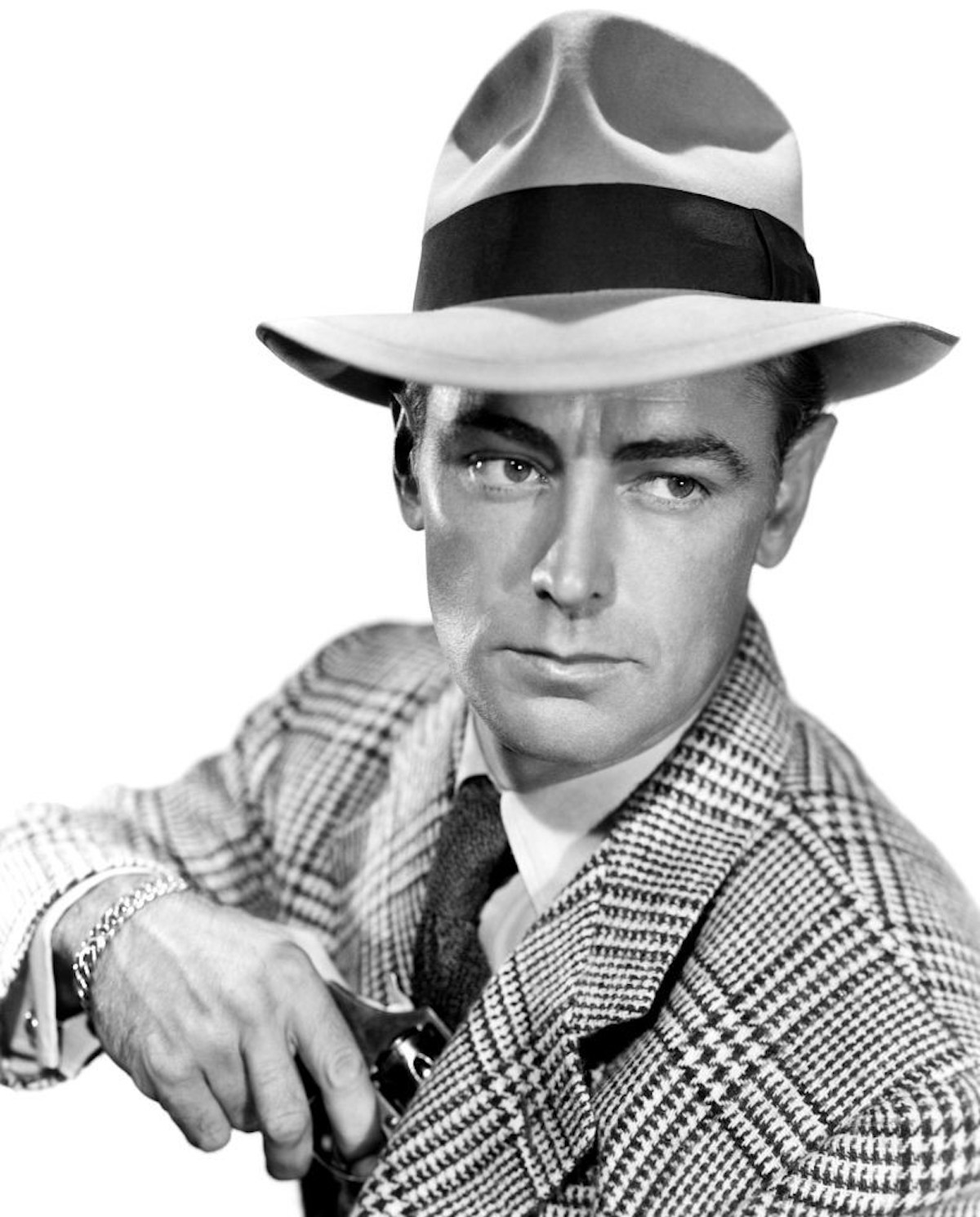 Ladd was big business in the 1940s, breaking through the clutter of young actors with serious, early noir films like This Gun for Hire and The Glass Key, both released in 1942. Ladd was a natural for a racetrack picture, although Salty O’Rourke was originally intended for Clark Gable.
But Gable was busy flying bombing missions over Europe, doing his part in the war effort alongside fellow movie stars like Jimmy Stewart, Cesar Romero, and Sterling Hayden.
When Ladd was given 1-A status in the draft, the bosses at Paramount were so anxious to get the film made they beseeched the US Army to delay the actor’s induction.
Rat-a-tat patter
Salty O’Rourke was an original story and script by Milton Holmes, who cribbed heavily from the Damon Runyon-style of rat-a-tat patter delivered by wise guys and hoods.
Most of the best lines were handed to veteran character actor William Demarest, well on his way to 165 screen credits, in the role of Salty O’Rourke’s sidekick and supposed “trainer” of the racehorse.
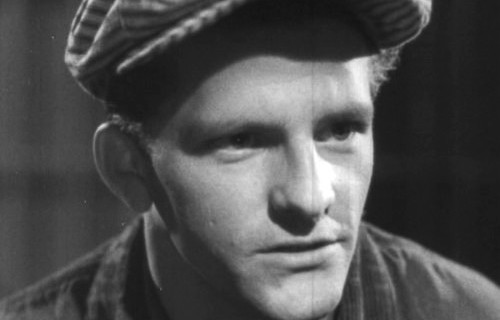 “Is that the nightwatchman?” Clements asks, pointing to a man sacked out on a bench at midnight, as they sneak into the stable to check out the horse.
“Yeah, he works days,” cracks Demarest.
Our heroes are on a mission to pay off a $20,000 debt owed to Cabot’s glowering bookie. He gives Salty a month to come up with the dough. Salty hocks his cufflinks for enough cash to buy the horse, whose talent is exceeded only by his unhinged behavior.
Uncanny ability
Clements, as Johnny Cates, is supposedly the only jockey who could possibly tame the beast. He does, with tough talk and an uncanny ability to stay glued to the saddle.
In those days, racing was a common pastime, ranking alongside boxing and baseball as America’s most popular sports. Since the era was replete with racing movies, racetrack vernacular was familiar to most audiences. They also knew the drill. Plot requirements included a love interest, mobsters circling and a big race that needed to be won to save the day.
 Salty O’Rourke doesn’t skimp on the standard elements, while adding a Boys Town angle through Clements, who was already well known as one of the East Side Kids in a series of blue-collar urban comedies with Leo Gorcey and Huntz Hall.
Johnny Cates must attend a jockeys’ school at the track because, according to his brother’s borrowed birth certificate, he is only 17, when he’s really 22.
Of course, he falls for the teacher, played by Russell, who in turn falls for Salty because he’s charming, manipulative and will tell her anything to keep his plan on the rails.
Flimsy triangle
The flimsy triangle persists, defying the viewer to take things seriously. At least the horse plays his part straight, and it’s always fun to spot familiar racetrack landmarks that include the flower-bedecked infield of the old Hollywood Park.
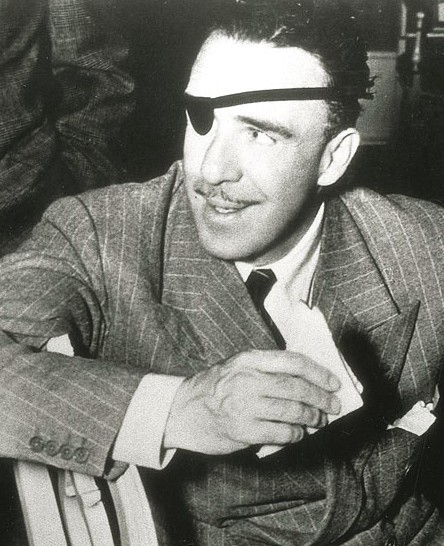 As of 1944, the track had only recently reopened after serving the early war effort as a storage facility for North American Aviation. It probably helped that Raoul Walsh (right), who directed Salty O’Rourke, was on the original board of directors of Hollywood Park.
By the mid-1940s, Walsh was becoming known for such muscle-bound dramas as Dark Command, Desperate Journey, and They Diedwith Their Boots On.
He was also a real-life cowboy in his youth and a racehorse owner when he started making serious money, so at least he got a lot of the racing details right.
Experienced viewers have learned to ignore the unconvincing sight of rear projection images during close-ups of jockeys in action. But at least Walsh gets the rhythm right, and he combines staged races and actual racing footage well enough not to be a distraction.
Salty O’Rourke made a very respectable $5.8 million at the box office, earned decent reviews, and provided Milton Holmes with an Oscar nomination for his original screenplay, undoubtedly earned due to those final scenes of personal sacrifice and vengeance.
Five years later, Holmes delivered another, far more satisfying racetrack story in Boots Malone, starring William Holden, in which Clements is excellent as the character that Johnny Yates might have become.
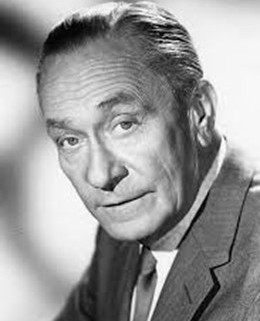 Clements enjoyed a long career in show business, populating any number of episodic TV shows well into the 1970s, while Demarest (right) found a home on TV as the lovable Uncle Charley on the long-running sitcom My Three Sons.
Ladd and Russell, however, didn’t fare so well. Despite his acclaim after appearing in the title role of Shane (1953), considered one of the greatest Westerns ever made, Ladd’s career went steadily downhill with a series of mundane roles in uninspiring adventures.
Once hailed with regularity as America’s favorite male movie star, he died in 1964 at age 51 from what was described as an accidental ingestion of painkillers, barbiturates and alcohol.
Russell reached the peak of her career early alongside co-star John Wayne in Angel and the Badman (1947), but soon alcoholism took control of her life. She was living alone when found dead at home in Hollywood in August of 1961, a victim of liver disease and malnutrition. She was 36.
• Other than occasional showings on commercial television during the pre-video era, Salty O’Rouke hasn’t had much of an afterlife. There’s a mediocre copy available on YouTube, but nothing more.
In fact, the Thoroughbred named Salty O’Rourke enjoyed more modern exposure, racing 46 times in parts of seven seasons between 1999 and 2005, primarily in Florida. The son of Salt Lake was sold as a weanling for $32,000 and as a yearling for $45,000, then went on to win 15 races and more than $200,000. Sounds like a horse the real Salty would’ve loved.
• Read all Jay Hovdey's features in his Favorite Racehorses series
The good, the bad and the ugly: spotlight on horse racing regular Mickey Rooney
‘A by-the-numbers skimming of the Thoroughbred world’ – why it’s hard to be sympathetic to Simpatico
Romantic fatalism, honest and free from phony melodrama – Jay Hovdey on Lean On Pete
View the latest TRC rankings for horses / jockeys / trainers / sires